
Direct Answer
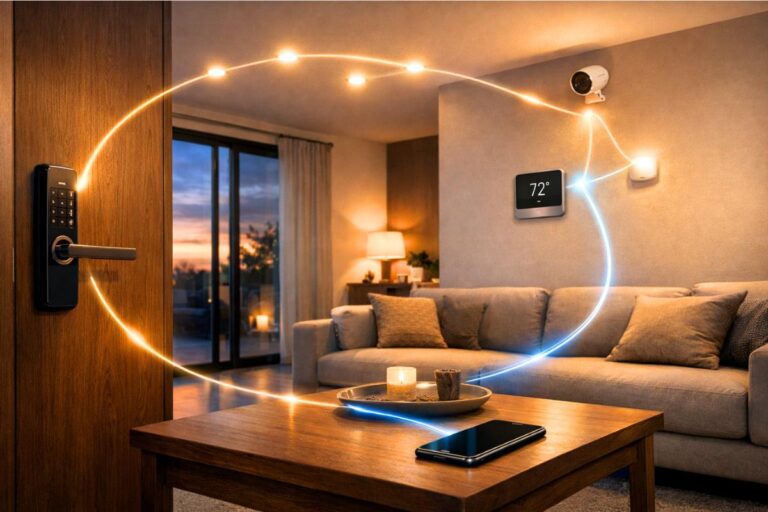
Smart home automation connects devices like locks, lighting, curtains, and sensors to a central hub, which lets residents control an entire unit from a phone or voice assistant instead of individual switches. A motion sensor or app command triggers the hub; the hub sends instructions over Zigbee or Wi-Fi, and the connected smart devices respond in under a second.
Today, you may have come across the statement in conversations: smart home automation is a nice-to-have upgrade for tech enthusiasts.
No doubt, that statement is accurate.
However, for a developer weighing costs across 200 units or more, that framing isn’t tailored to him.
Today, smart home automation in Malaysia is becoming the minimum expectation from residents and tenants, no longer a luxury add-on. Homebuyers compare smart home systems the same way they compare unit layout or parking allocation.
As the quality of life increases, modern homebuyers mainly prioritize a living experience that offers them comfort, convenience, and security.
In this ‘What is smart home automation?’ guide, we’ll go through what smart home automation actually delivers for a development, where the ROI is real, and what to check before you sign a supplier contract.
How smart home automation works in a multi-unit development
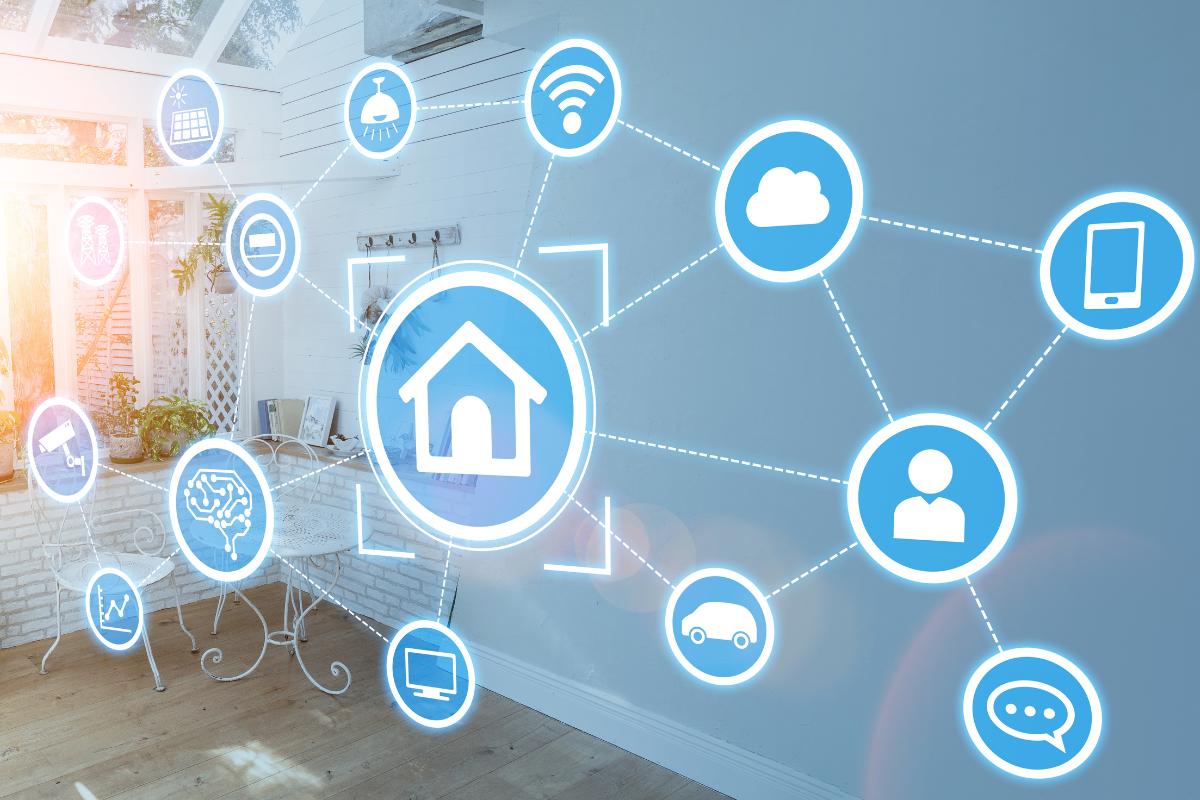
Smart home automation connects a smart home hub, a wireless network, and individual devices. The hub sends commands, the network (usually Zigbee or Wi-Fi) carries them, and devices like locks or lights execute the action requested by residents.
Hub, network, devices
Each unit relies on its own hub and device set, connected over a low-power protocol like Zigbee or WiFi, which keeps per-unit running costs down across a large residential project.
Here’s how smart home automation works.
A motion sensor detects movement from a resident, sends the signal to the main hub, and the hub triggers the next step. Lights turn on. Curtains open. It happens in under a second without manual work, which is more efficient.
For a full rollout across a development, Raizo’s smart home automation ecosystem includes different smart devices:
- Smart switches
- Zigbee gateways for centralized control
- Curtain motors
- Security sensors
- Smart lighting
The smart devices are all interconnected and managed through one app or Google Home and Alexa.
Remote and voice control for residents
Residents control their unit via a smartphone app (we use Raizo Smart) or a voice assistant like Google Home or Amazon Alexa, without reaching for physical switches.
- Smart door locks: residents unlock their doors with multiple methods, such as fingerprint, PIN, RFID card, or smartphone, and you skip the cost of replacing lost physical keys on a unit-by-unit basis.
- Smart switches and lighting: residents schedule lighting and control lights remotely, reducing electricity costs in unoccupied units.
- Security sensors: door and motion sensors send instant alerts to residents and to your team when something looks wrong.
Does smart home automation deliver ROI for properties?
Smart home automation increases resale value by $5,000 to $10,000 per unit, according to 35% of surveyed agents, and it reduces ongoing utility costs through automated lighting and climate scheduling (National Association of Realtors, 2024).
Property value and sell-through speed
Homes with smart features sell 8.5 days faster on average than comparable homes without the smart home system, according to National Association of Realtors research.
For a 200-unit launch, 8.5 days per unit compounds into a meaningfully shorter sales cycle and lower holding costs.
Buyers increasingly research developments the way they research phones: on the tech spec sheet, not just the floor plan.
Discover how a smart home actually improves property value, making your property more appealing to homebuyers.
Lower operational and utility costs
Automated lighting and curtain scheduling reduce electricity use in unoccupied units without residents’ manual operations.
Smart home devices with Zigbee use less power than those with WiFi, which matters when you’re running automation across hundreds of thousands of units simultaneously.
Smart home automation vs traditional home
Smart home systems add remote control, automated scheduling, and instant alerts on top of what traditional systems offer. Traditional systems cost less upfront and don’t depend on a network connection.
Factor | Smart home automation | Traditional system |
Control | Remote app or voice assistant | Manual, on-site only |
Energy use | Scheduled and occupancy-based | Runs until someone switches it off |
Security | Real-time alerts, remote lock management | Physical keys, no remote visibility |
Upfront cost | Higher, scales with unit count | Lower |
Network dependency | Needs Wi-Fi or Zigbee; local protocols have offline fallback | None |
The real risks developers should ask suppliers about
The biggest risk in smart home automation isn’t the technology. It’s the supplier disappearing after handover, leaving your residents with unsupported devices and no one to call when things are rushed.
After-sales support, the number one concern
Ask any developer who’s been in the same situation, and the answer is the same: the smart home technologies worked fine, but the smart solution supplier’s support line wasn’t answering their calls.
Before signing, confirm the supplier’s local presence, response time commitments, and whether they continue to support your project after your team moves to the next development.
- Local presence: confirm the supplier has a local team in Malaysia, not just a regional distributor with no local technicians.
- Response commitments: get support response times in black-and-white writing, not verbally promised
- Project references: ask for other multi-unit developments the supplier has supported for 2+ years post-handover.
Integration across multiple units
Launching smart home automation across 100+ units at once avoids integration issues a single-unit installer never needs to solve.
The result is consistent firmware versions, centralized management, and a single app that works the same way in every unit.
Ask the supplier how they handle firmware updates across the residential development, not just per-unit. Smart devices run on different software versions, creating support headaches you’ll have to bear.
How smart Door locks fit into a development-wide rollout
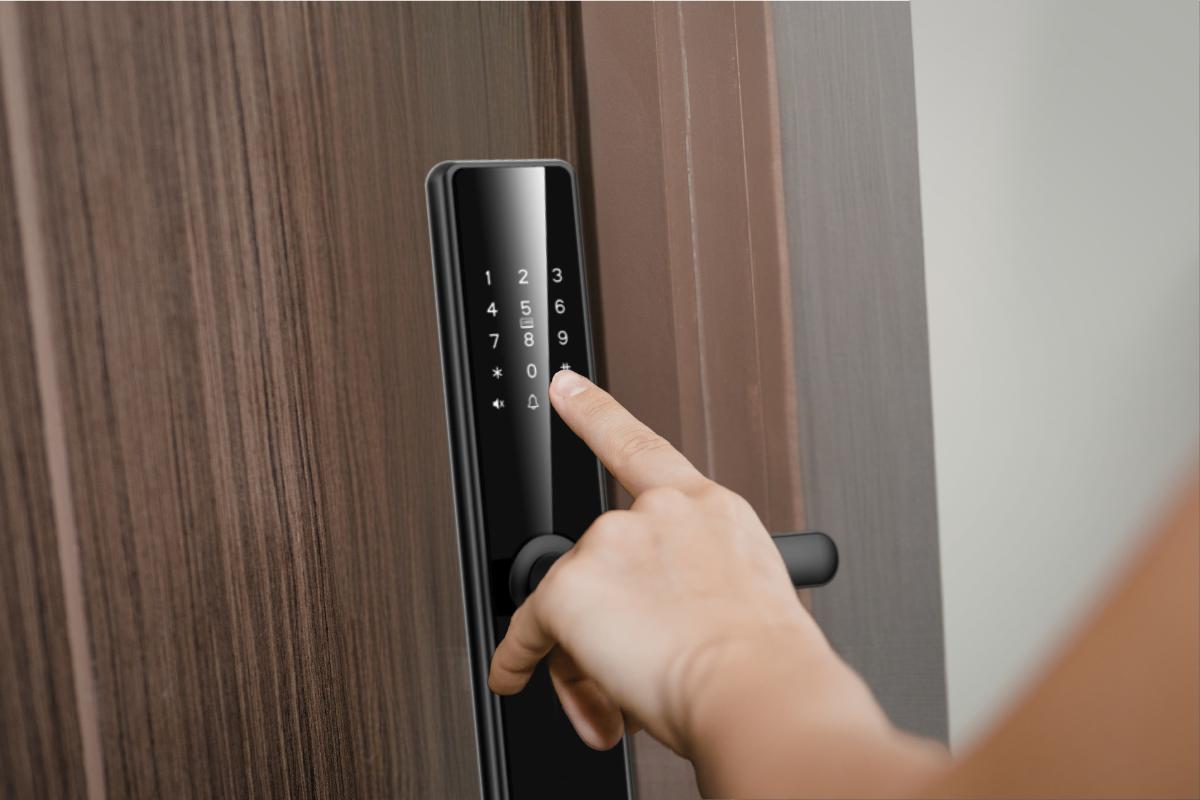
Smart locks are usually the first device residents interact with daily, making them the main point of a smart home rollout. They pair fingerprint, RFID card, PIN, and app-based access with automatic locking.
A smart door lock removes the need for a physical key that can be lost or duplicated.
Combined with the rest of the Raizo smart home ecosystem, from door sensors to CCTV to lighting, the smart lock creates one connected smart system your marketing team can present at every visit.
Standardizing on one lock and hub system across all phases avoids the integration problem entirely: new units join the same ecosystem, rather than a different one each phase.
Conclusion
Smart home automation isn’t only an add-on. Home automation is essential; modern homebuyers compare across developments, like how they compare finishes or parking.
The ROI is real: faster sell-through, lower utility costs, and a feature buyers actively shortlist for.
The risk that actually sinks a rollout isn’t the hardware. It’s picking a supplier who vanishes after handover.
Look over the supplier’s local support commitment before the device spec sheet. See what a full smart home ecosystem looks like before you survey suppliers for your next launch.