
Direct Answer
Energy management in the hotel industry is the systematic monitoring, control, and reduction of energy consumption across a property, covering HVAC, lighting, power, and guest room systems. Hotels that implement structured energy management programs cut utility costs by 10–30%, with payback periods in 12–24 months.
Energy bills don’t lie. For most hotels in Malaysia, especially 5-star hotels, utility costs rank among the top three operating expenses, and they’ve increased sharply alongside minimum-wage increases and post-pandemic shifts in demand.
Energy management in the hotel industry gives you a direct reduction in those costs.
This guide breaks down how the system works, what drives the biggest savings, and how smart automation connects to your PMS to keep the whole operation running without adding work for your management team.
What Is Energy Management in the Hotel Industry?
Hotel energy management is the process of tracking, controlling, and reducing energy use across a property through a combination of monitoring software, hardware controls, and operational procedures.
Energy management in the hotel industry covers three core components:
- Monitoring: Real-time tracking of electricity consumption by zone, floor, or room type.
- Control: Hotel automated systems that adjust HVAC, lighting, and power based on occupancy without manual intervention from staff.
- Reporting: Usage data that is included in your operational reviews, compliance records, and cost forecasts.
Most properties start with monitoring. The savings come when you add control, particularly at the room level.
Meanwhile, you may explore how other advanced key automation systems work in a smart hotel.
What Uses the Most Energy in a Hotel?
HVAC (heating, ventilation, and air conditioning) accounts for approximately 40–60% of a hotel’s total energy consumption. Guest rooms, followed by common areas and back-of-house operations, make up the bulk of the rest.
Here’s a typical energy breakdown for a mid-tier hotel:
Energy Consumer | Share of Total Consumption |
HVAC (guest rooms + common areas) | 40–60% |
Lighting (all areas) | 20–30% |
Hot water heating | 10–15% |
Kitchen and laundry equipment | 8–12% |
Lifts and other systems | 3–5% |
The implication is clear: guest room HVAC is where you win or lose on energy costs. A room left running during an 8-hour unoccupied period burns your operational costs without return.
How to Save Energy in Hotels
The fastest wins come from occupancy-based controls, systems that detect whether a room is occupied and adjust HVAC and lighting automatically. Combined with LED retrofits and staff training, most hotels see 15–25% reductions in energy spending within the first year.
1. Install RFID card Energy Controllers
When a guest removes their RFID card from the room’s power card holders, the controller cuts non-essential power, and air conditioning and lights switch off.
When the guest returns and inserts the card, the room resets automatically.
This single intervention alone drives most of the energy savings hotels report. No guest disruption. No extra work for housekeeping.
2. Use Occupancy Sensors in Common Areas
Corridors, meeting rooms, and back-of-house areas account for a significant portion of lighting waste.
Occupancy sensors cut lighting in unoccupied zones automatically and restore full brightness the moment someone enters.
3. Set HVAC Schedules by Zone
Ballrooms, restaurants, and function rooms don’t need full HVAC when empty.
Schedule systems to pre-cool or pre-heat 30–45 minutes before use, not hours before.
4. Switch to LED Lighting Throughout
LED retrofits reduce lighting energy use by 50–70% compared to fluorescent or halogen systems.
The payback period on LED upgrades is typically 12–24 months for a mid-size property.
5. Fix HVAC Maintenance Gaps
A dirty air filter forces your HVAC system to work harder, consuming more energy to deliver the same output.
Quarterly filter cleaning and annual coil servicing keep systems running at rated efficiency, a low-cost, high-return maintenance habit.
6. Monitor, Then Act
You can’t manage what you don’t measure.
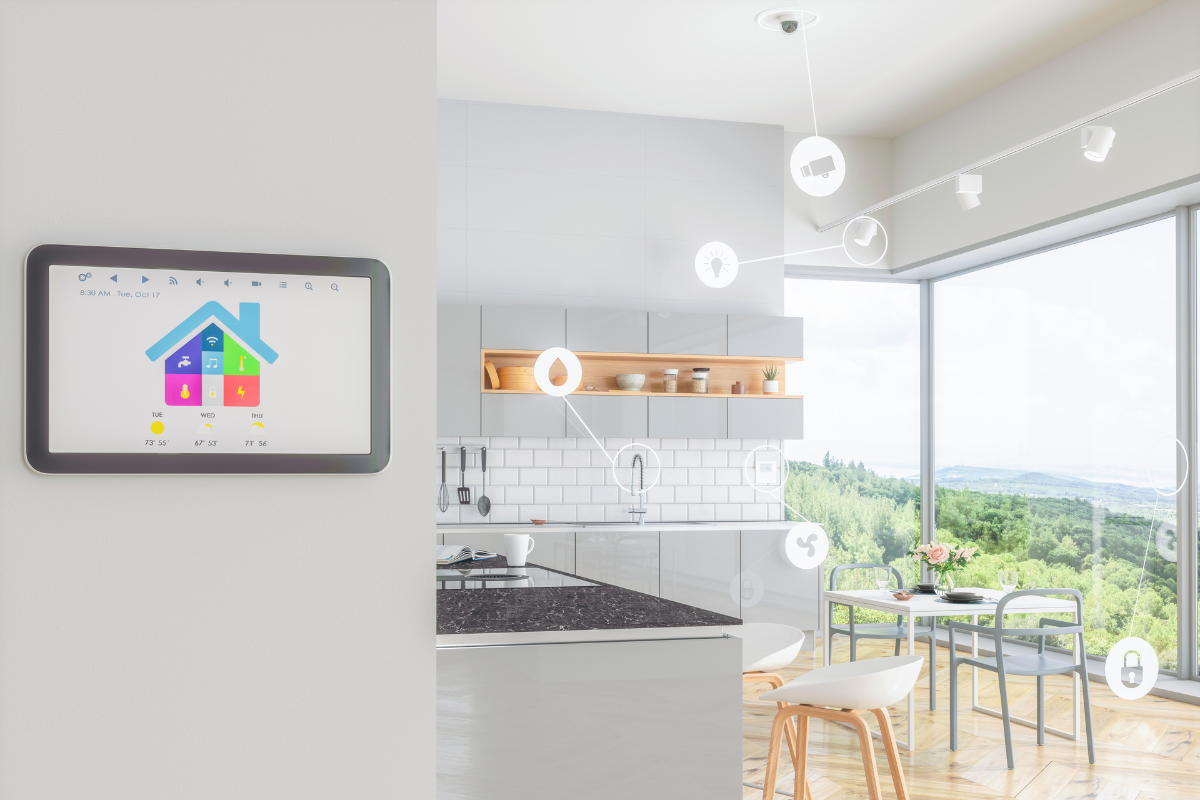
An energy monitoring system gives you a floor-by-floor view of consumption, flags anomalies (a room running at full cooling with no guest checked in), and tracks whether your interventions are working.
How Do Smart Room Controls Reduce Hotel Energy Costs?
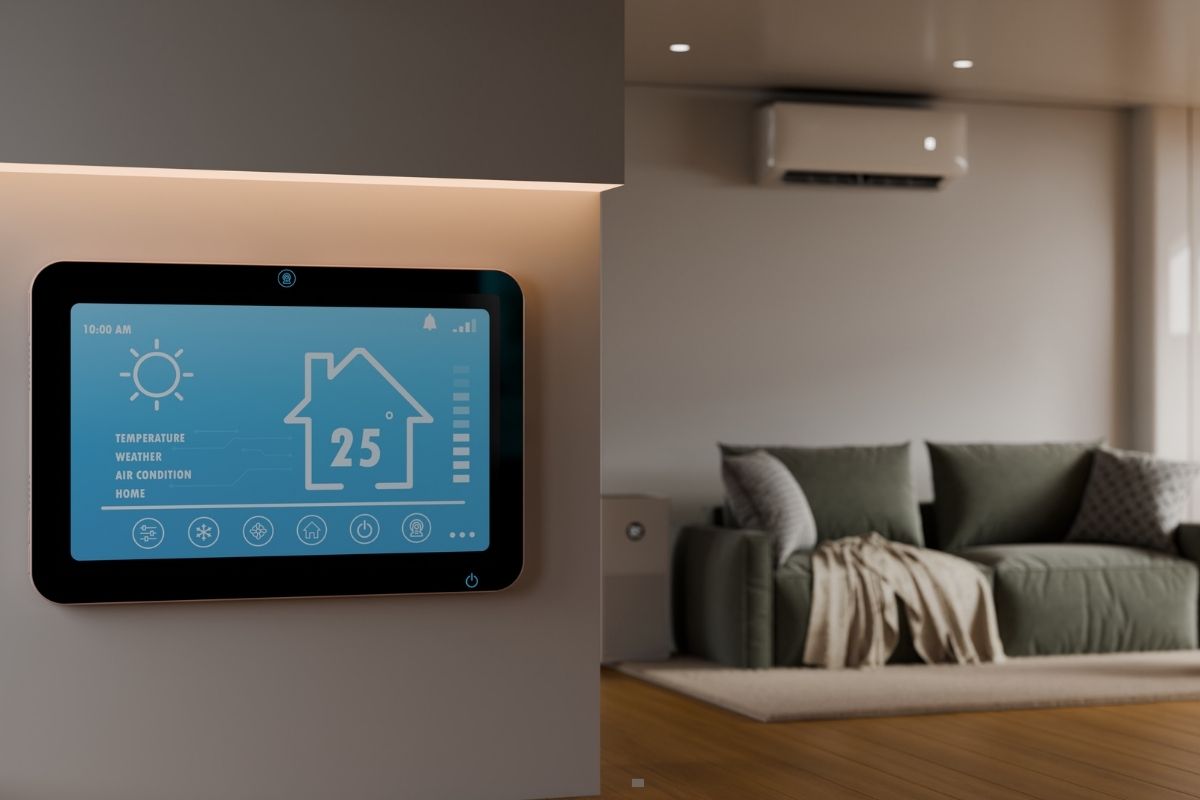
Smart room automation controls, such as key-card power systems, occupancy sensors, and thermostat automation, reduce energy costs by ensuring rooms only use full power when guests are there. Properties that deploy a guest room management system consistently report 15–25% reductions in energy spend.
How Key-Card Power Systems Work
The guest inserts their room key card into a wall-mounted slot. The slot activates full room power. When the guest leaves and takes the card, the system:
- Turns off the air conditioner
- Switches off all non-essential lighting
- Maintains power to fridges, charging ports, and safety systems
The room goes back to the guest’s preferred setting within minutes of their return.
Integration with Your Property Management System (PMS)
The hotel automation systems connect directly to your PMS, like Opera, Softinn, Cloudbeds, and others.
When a guest checks out of the system, the room’s energy profile switches to unoccupied mode, and the electricity is automatically turned off. No front-desk action required. No housekeeping dependency.
The PMS also gives you room-level energy data inside your existing reporting environment; there is no separate dashboard to manage.
What This Means for Your P&L
The result is that the integration significantly reduces operational costs in the following areas:
- Guest room energy (18 % reduction)
- Key-card or physical keys loss elimination
- Front-desk labour (your staff can focus on providing exceptional services)
How Does Energy Management Affect OTA (Online Travel Agency) Listings and Guest Reviews?
Booking.com, Expedia, and Agoda now surface sustainability filters to guests actively searching for eco-friendly, green properties. Hotels with verified sustainability certifications and practices receive higher visibility in filtered searches.
The OTA Sustainability Filter
Booking.com’s official third-party sustainable certifications and Expedia’s eco-certified filters align with the Global Sustainable Tourism Council (GSTC) and flag hotels with verified environmental practices. Guests using sustainability filters see these properties first.
For a hotel already paying 18–25% OTA commission on every booking, improved organic visibility in filtered searches means more bookings at the same commission rate, or fewer bookings lost to competitors who’ve already made the switch.
The Guest Review Connection
Energy management doesn’t just save costs. Rooms that maintain consistent temperatures (no overcooling, no stuffy returning-guest experience) drive better guest comfort.
Faster room readiness, enabled by automated climate pre-conditioning, reduces guest complaints during peak check-in periods.
An improvement in your average OTA rating can increase booking conversion at the same price. That’s a revenue outcome.
ROI and Payback Period: What to Expect
Most hotels see a payback period of 12–24 months on energy management investments, depending on property size, current energy spend, and the scope of automation deployed.
Key Variables That Affect Your Payback Period
- Property size: Larger room counts spread fixed installation costs further, improving per-room ROI
- Current energy spend: Higher baseline utility costs = larger absolute savings
- Occupancy rate: Higher occupancy means more guest-room energy cycles, and more hours where automation delivers savings
- Scope of deployment: A full rollout (smart hotel door locks, HVAC controls + monitoring) outperforms a partial one
A Simple ROI Framework
Use this to estimate your own numbers before any vendor conversation:
Input | Your Property |
Number of rooms | ___ |
Average monthly energy bill (RM) | ___ |
Target energy reduction (%) | 15–20% |
Estimated monthly savings (RM) | Bill × reduction % |
Estimated capex (RM) | ___ |
Payback period (months) | Capex ÷ monthly saving |
Malaysia-Specific Considerations for Hotel Energy Management
Malaysian hotel owners face a specific combination of rising Tenaga Nasional tariffs, new state-level sustainability fees, and OTA sustainability pressure, making energy management both a cost and a compliance issue in 2025–2026.
Tenaga Nasional Tariff Increases
Commercial electricity tariffs in Malaysia have increased alongside broader cost-of-living adjustments. For hotels that run 24/7, every tariff movement has a significant impact on operating costs compared to hotels with shorter operating hours.
The Selangor Sustainability Fee (From January 2026)
Selangor properties face a new state-level sustainability fee from January 2026.
Hotels with documented energy management practices and verifiable reduction data are better positioned to demonstrate compliance and manage the fee’s impact on their P&L.
Penang’s and Melaka’s heritage fee complexity adds a similar layer for operators in those markets. Integrated energy reporting, tied to your PMS, gives you the audit trail to support these obligations without creating extra manual work.
Green Building Index (GBI) and SIRIM
For hotels undergoing refurbishment or new builds, GBI certification and SIRIM-certified equipment are increasingly required by brand standards and regional chain mandates.
Smart lock and energy management systems that carry SIRIM certification satisfy both technical and compliance requirements in a single purchase.
The Raizo hotel automation system meets the requirements with SIRIM certification and Bomba approval, which gives both your staff and guests greater peace of mind when using the technology.
The Bottom Line
Energy management in the hotel industry is a cost-reduction, sustainability program with a measurable payback period, a direct impact on your OTA visibility, and a compliance tool for Malaysia’s evolving state-level fee environment.
The properties pulling ahead aren’t spending more on fancy designs and features that do less for operational efficiency; they’re automating what was previously manual, integrating systems that already exist, and turning their energy savings into a competitive advantage.
If your property is still managing energy manually, the gap between your cost base and a competitor’s will only widen from here.
Want to experience the fast payback and greater ROI from an energy-saving hotel automation system? Talk to the Raizo team for a no-obligation site assessment.