
Direct Answer
AI in the hospitality industry refers to software systems that use machine learning and predictive analytics to forecast demand, personalize guest experiences, and automate routine operational decisions; not just task execution, but prediction and decision-making.
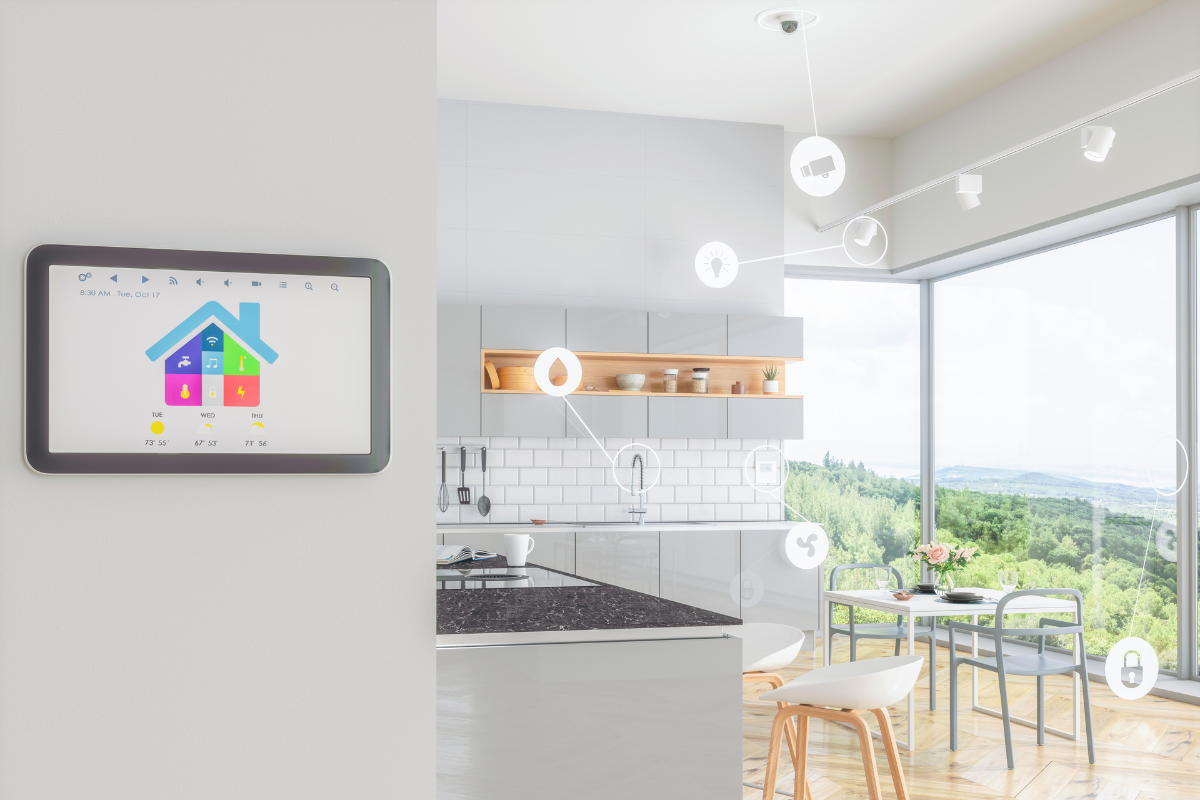
In practice, this means smarter pricing, faster guest service, and hotel automation systems (like smart locks and self-check-in kiosks) that work together as one connected system rather than separate gadgets.
If you manage a hotel property, you’ve probably noticed the conversation around AI has shifted. It’s no longer a “someday” technology; it’s already shaping how guests book, check in, and experience your property, whether you’ve adopted it yet or not.
This guide breaks down what AI in the hospitality industry actually means, where it’s already making a difference, and what you should know before investing in it for your own property.
What Is AI in the Hospitality Industry?
AI in hospitality means software that learns from data, booking patterns, guest behavior, and occupancy trends to make predictions and automate decisions, rather than simply following fixed rules.
That’s a meaningful distinction. A lot of hotel technology gets labeled “AI” when it’s really just automation. Knowing the difference will help you evaluate vendors and avoid paying a premium for buzzwords.
Automation vs. AI: Why the Distinction Matters
Automation follows pre-set rules. If a guest books online, automation can send a confirmation email every time, or the lights and aircon automatically turn on when guests enter their rooms because you told it to.
AI learns and predicts. It might be noticed that guests who book within 48 hours of arrival are more likely to accept a room upgrade offer and automatically surface that offer at the right moment without anyone programming that specific rule.
Here’s a simple way to remember it: automation executes, AI decides.
Why AI and Hotel Automation Are Increasingly Inseparable
AI needs data to work, and your automation systems—your property management system (PMS), your door locks, and your self-check-in kiosks—are where that data comes from.
A smart lock isn’t just convenient; it’s a data point. Every check-in, late arrival, or access pattern feeds into the bigger picture AI uses to make predictions.
This is why the most effective hotel AI strategies don’t treat automation and AI as separate purchases; they’re two halves of the same system.
Where AI Is Already Transforming Hotel Operations
AI is already active across guest communication, check-in, pricing, housekeeping, and personalization, often working quietly in the background of systems hoteliers already use.
Let’s walk through it department by department.
Guest Communication and Conversational Booking
AI-powered chatbots now handle a meaningful share of pre-arrival questions, room upsells, and even late-night review responses, the kind of work that used to require someone at a desk around the clock.
Guest discovery is shifting. More travelers are researching and booking through conversational, AI-assisted tools rather than scrolling through static search results.
For hoteliers, this means your property’s information needs to be structured clearly enough for AI tools to find and represent it accurately, not just for human readers.
Contactless Check-In, Check-Out, and Smart Access Control
This is where automation and AI meet most visibly. Self-check-in kiosks and hotel smart locks let guests skip the front desk entirely if they want to, while still giving you full visibility into who’s accessing which room and when.
Mobile keys and keyless entry aren’t just about convenience; they’re operational features of a seamless arrival.
A guest who books, gets verified, and walks straight to their room with a digital key never has to “ask twice,” which is exactly the kind of experience modern guests now expect.
Predictive Revenue Management and Dynamic Pricing
Static rate cards are becoming a thing of the past. AI-driven pricing tools adjust rates in real time based on demand signals, competitor pricing, and booking pace, replacing the old approach of manually updating rates a few times a week.
Back-of-House Automation
This is the side guests never see but always benefit from:
- Housekeeping prioritization: rooms are cleaned based on actual check-in and check-out times, not a fixed schedule.
- Predictive maintenance: equipment issues get flagged before they become guest complaints.
- Staff scheduling: Manpower gets allocated based on predicted occupancy, not guesswork.
Personalization Across the Guest Journey
Guest profiles used to be static, built once at booking and never updated.
AI changes that by building a profile that evolves throughout the stay, so a guest’s preferences (room temperature, late checkout, dietary needs) carry forward automatically instead of being re-explained at every touchpoint.
How AI-Powered Automation Enhances the Guest Experience
AI enhances guest experience by removing friction at every touchpoint; guests get faster answers, smoother arrivals, and service that feels personalized without ever having to repeat themselves.
A Seamless Arrival: From Booking to Room Access
Think about the full sequence: a guest books, gets verified digitally, and walks straight to their room to check in using a mobile key or an RFID card; no queue, no paperwork, no waiting on a printed key card.
That’s AI and the hotel automation system working together as one connected process, not three separate systems.
In-Stay Personalization Without Feeling Invasive
Returning guests feel the personalization is thoughtful and caring, with AI analyzing their past staying behaviors. For instance, a returning guest’s preferred pillow type is already in their room.
Meanwhile, guests should always know what data is being used and why, and the personalization should feel like a courtesy, not a tracking exercise.
Faster Recovery When Something Goes Wrong
No system is perfect, and guests know that. What builds trust is how quickly an issue gets caught and fixed.
For example, AI-flagged service issues, such as a maintenance request that’s been open too long or a complaint across multiple guests, allow staff to respond before a small problem becomes a bad review.
How AI Improves Operational Efficiency Behind the Scenes
Operationally, AI reduces wasted manpower hours, catches maintenance issues early, and ties energy use to measurable savings rather than guesswork.
Staffing and Scheduling Optimization
Instead of staffing every shift the same way regardless of demand, AI-driven forecasting matches labor allocation to predicted occupancy, so you’re not overstaffed on slow days or scrambling on busy ones.
Predictive Maintenance and Reduced Downtime
AI can flag early warning signs in equipment and in access systems like smart locks before they fail right in front of guests.
Catching a battery or connectivity issue on a smart lock before it locks a guest out is a small thing that prevents a big complaint.
Energy Management Tied to Measurable Outcomes
Sustainability claims are easy to make and hard to prove. AI-managed energy systems change that by tracking actual usage data tied to occupancy, turning “we care about sustainability” into a measurable performance metric you can report on.
The Integration Challenge: Why AI Is Only as Good as Your Systems
AI performs only as well as the data it can access. If your PMS, locks, and CRM don’t talk to each other, even the most advanced AI tool will underperform.
Here’s what we call the “fractional tech stack” problem: hotels running several disconnected systems that each hold a piece of the picture, with no single source of truth. AI can’t predict what it can’t see.
What to Check Before Adding Another AI Tool
Before signing with any new automation vendor, check the following:
- Data compatibility: can it actually read and share data with your existing property management system?
- API access: Is there an open, documented way to connect it to other systems?
- Vendor support model: who do you call when something breaks, and how fast do they respond?
A tool that can’t integrate is a tool that adds work, not value.
Will AI Replace Hotel Staff?
No, AI takes over repetitive, predictable tasks, but it doesn’t replace the human judgment that defines hospitality.
This fear comes up often, and it’s worth addressing directly rather than brushing aside.
Where AI Takes Over the Checklist
Routine, repetitive work, answering the same FAQ for the hundredth time, manually updating room rates, and re-typing guest preferences at every interaction are exactly what AI does in daily operation.
Where Human Judgment Still Wins
Service recovery, brand storytelling, and high-stakes guest interactions still need a human.
If anything, freeing staff from repetitive tasks gives them more room to focus on the moments that actually build guest loyalty.
How to Choose the Right Hotel Automation Vendor
Look past the feature list; the right vendor is the one with reliable integration, responsive after-sales support, and clear terms on who owns your data.
Questions to Ask Before You Sign
- What’s your after-sales support structure, and what’s the typical response time?
- What’s your track record integrating with PMS systems like ours?
- Who owns the guest data collected through your system?
- What happens if we need to scale to additional properties later?
A Quick Comparison: Feature-Rich vs. Integration-Ready Vendors
Criteria | Feature-Rich Vendor | Integration-Ready Vendor |
Sales pitch | Long list of standalone features | Fewer features, but all connected |
Setup experience | Often requires manual workarounds | Designed to work with existing PMS/CRM |
Long-term cost | Lower upfront, higher integration cost later | Higher upfront, lower ongoing friction |
Support model | Ticket-based, slower response | Dedicated account support |
Best fit for | Single-property, simple needs | Multi-property or growth-focused operations |
Conclusion
AI in the hospitality industry is no longer a future investment you can defer to next year’s budget cycle. It’s already shaping how guests discover properties, make booking decisions, and judge the quality of their stay, often before they’ve even walked through your front door.
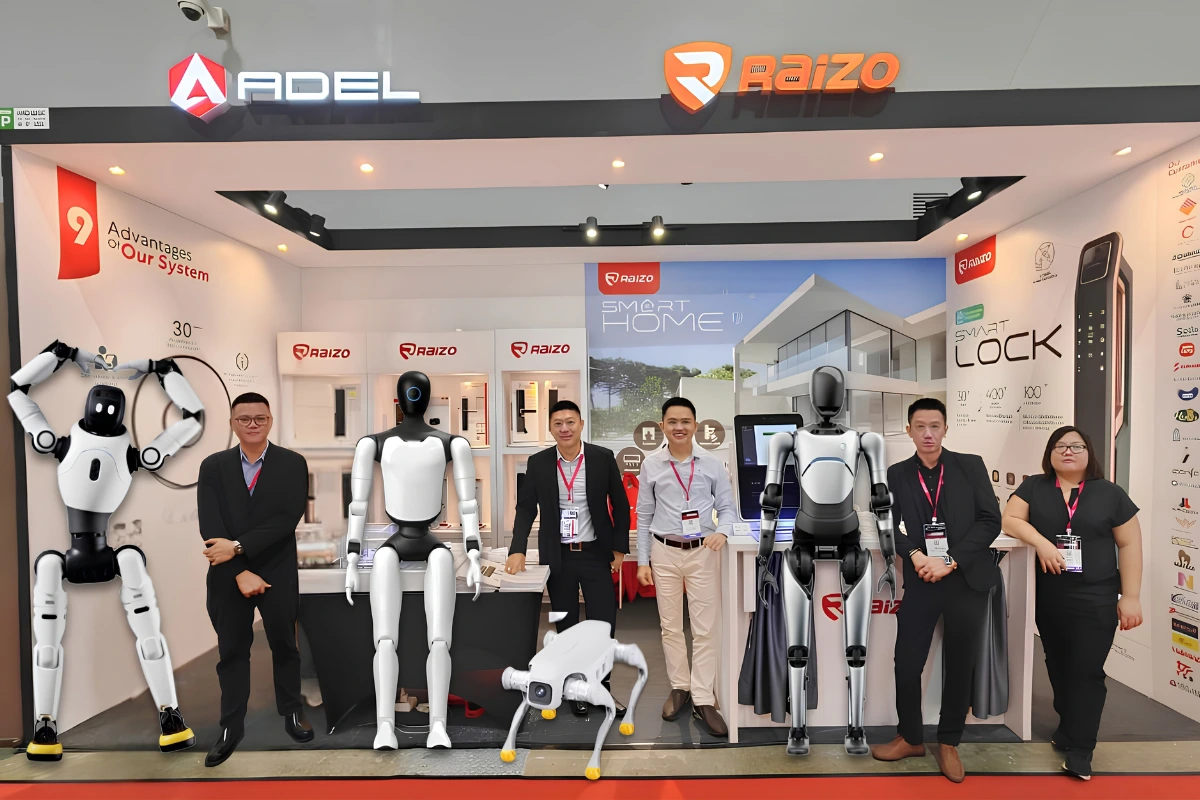
If you’re ready to take that first step, Raizo has spent over 20 years helping Malaysian properties implement smart hotel automation systems that integrate cleanly with existing setups and deliver measurable results from day one.
From smart locks to full hotel automation solutions with the integration of AI, our team works with you from installation through after-sales support, so you’re never figuring it out alone.
Key Takeaways
- AI in the hospitality industry isn’t really two separate stories, operational efficiency and guest experience; it’s one story told from two angles.
- The same system that frees up your front desk staff is the one that gets a guest into their room faster. The same data that helps you forecast occupancy is what makes personalization possible.
- If you’re evaluating where to start, the smartest entry point is usually the layer that touches both sides at once: your check-in and access control systems.
- That’s where guest experience and operational efficiency meet most directly, and it’s a natural foundation to build the rest of your AI strategy on.