
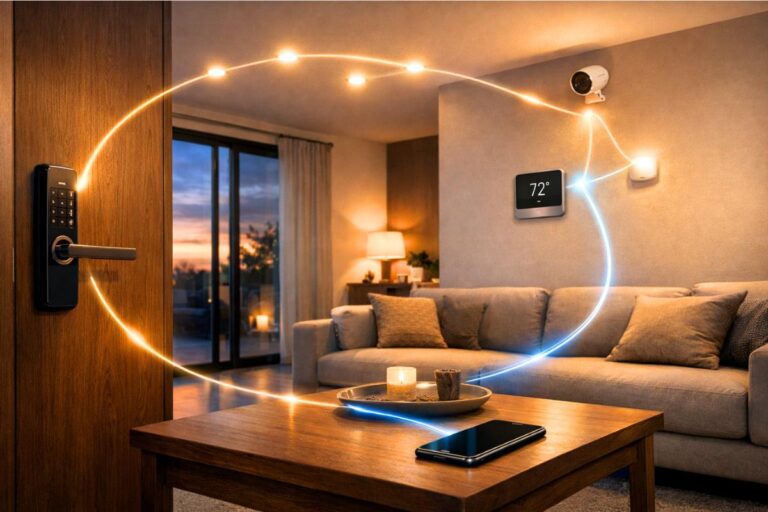
Direct Answer
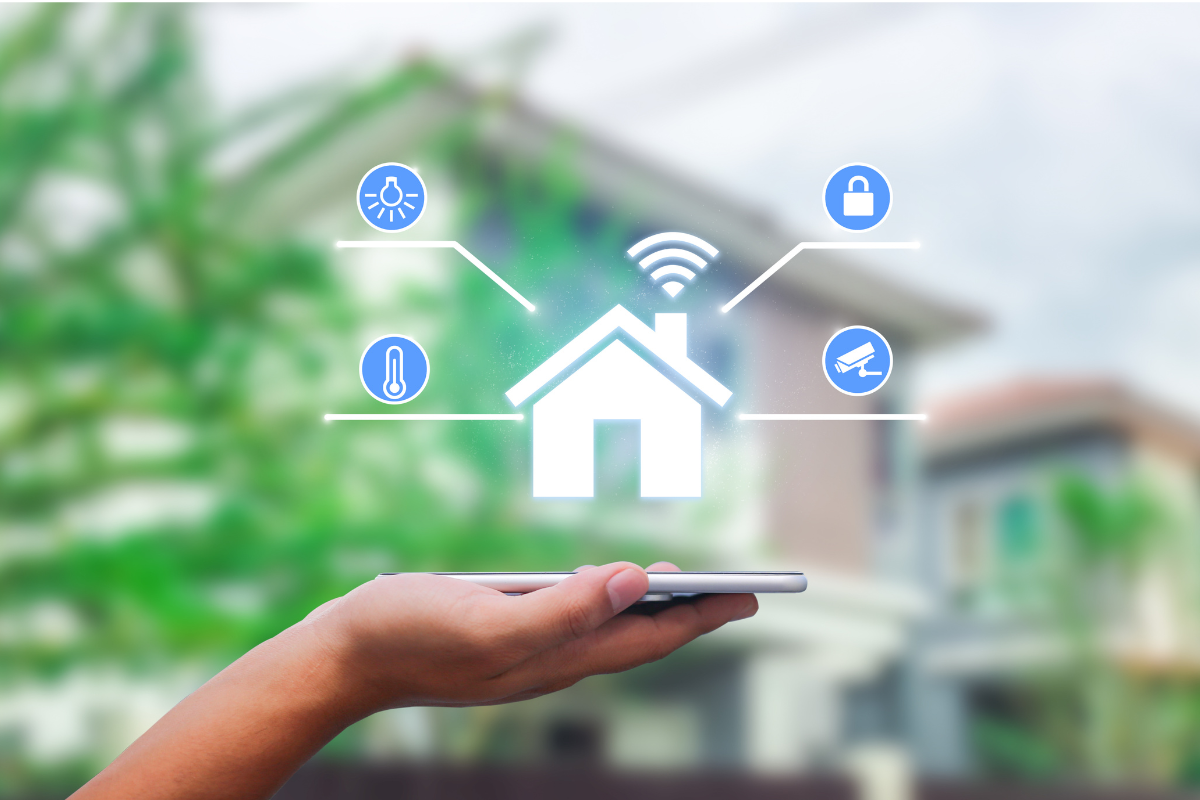
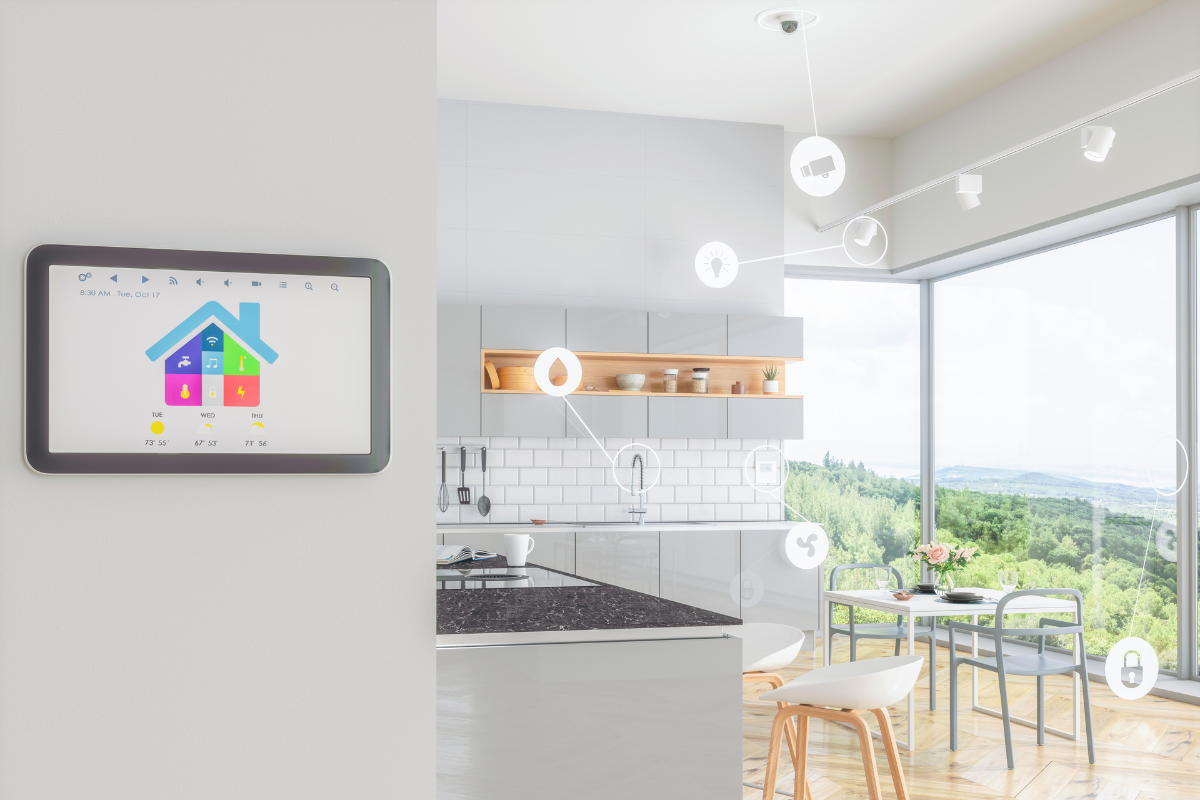
A smart home system is a group of connected devices (door locks, lighting, air-con controls, sensors and cameras) that you manage from one app or hub. Smart home automation is the rules layer: the smart home system locks doors, dims lights, and switches off air-con on a schedule or a trigger, without anyone touching a switch.
Today, you may have come across the statement in conversations: smart home automation is a nice-to-have upgrade for tech enthusiasts.
That statement is accurate.
However, for a developer weighing costs across 200 units or more, that framing isn’t tailored to him.
Today, a smart home system in Malaysia is becoming the minimum expectation from residents and tenants, no longer a luxury add-on. Homebuyers compare smart home systems the same way they compare unit layout or parking allocation.
As quality of life improves, modern homebuyers prioritize a living experience that offers comfort, convenience, and security.
Throughout this guide, you’ll learn what a smart home system is, what’s inside one, how the parts work together, and the 6 factors to check before you approve a supplier.
What is a smart home system?
Direct Answer
A smart home system, also called home automation, is the hardware and software that lets residents control a property unit’s door locks, lights, and air-conditioner from one app or hub. Smart home automation is what the smart home system does with those devices: rules, schedules and triggers.
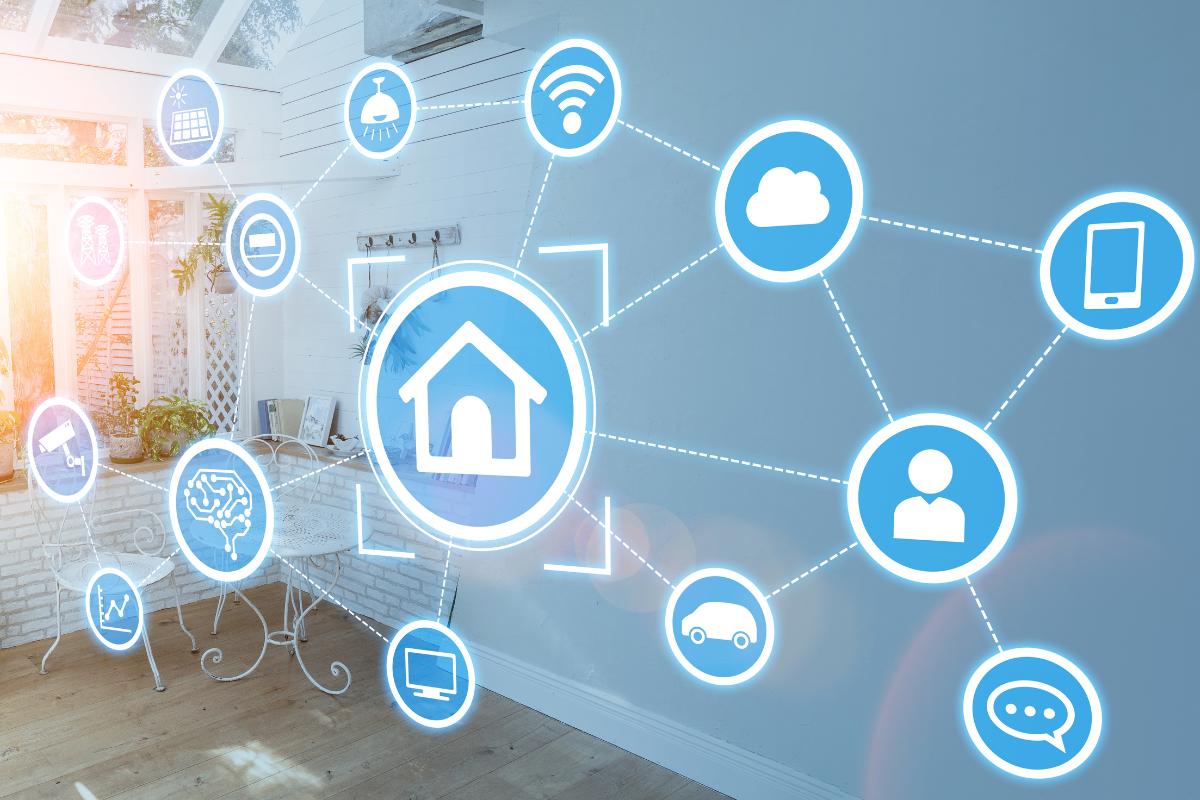
Imagine a resident saying ‘Goodbye’ to the smart home device.
The smart home system instantly locks the door, switches off all the lights, and turns off the air conditioners. The resident doesn’t have to go back and check every room, which would be time-consuming.
There are three smart home terms that mean slightly different things:
Term | What it means |
Smart home system | The parts: devices, hub, app, and the network that links them |
Smart home automation | The behavior: rules the system runs on a schedule or a trigger |
Home automation | The older, broader name for the whole idea, used for any type of home |
What Are The Components of A Smart Home System?
Direct Answer
A smart home system consists of six parts: devices, a hub, a protocol, a control layer, an app, and supplier support. The hub links smart devices that speak different protocols. A local control layer keeps door locks and lights working when the internet connection is unavailable.
Component | What it does | Example in a condo unit |
Devices | Do the physical work | Smart lock, light switch, air-con controller, door sensor |
Hub or gateway | Connects smart devices that use different protocols and runs local rules | Gateway connecting Zigbee devices to the unit network |
Protocol | The language devices use to talk | Wi-Fi, Zigbee, Z-Wave, Thread, Matter |
Control layer | Decides where rules run | Local on the hub, or in the cloud |
App or AI assitant | Where homeowners deliver commands | Phone app, voice assistant |
Supplier support | Fixes faults and updates firmware after handover | Helpdesk, spare parts, warranty claims |
Why the hub matters in a multi-unit project
The main hub runs rules inside the property unit. So when the building’s internet connection is down, residents can still unlock their doors and turn on their lights.
Ask the supplier one question before installation: which rules run on the hub, and which need the cloud?
Which protocol fits a condo project?
- Wi-Fi. Easy to set up, and every smart device talks directly to the router. However, battery devices drain faster on Wi-Fi.
- Zigbee and Thread. Devices pass signals to each other in a mesh and consume little power. Zigbee & Thread suit battery-powered locks and door sensors.
- Matter. A standard from the Connectivity Standards Alliance that lets devices from different brands work together in one app.
How does a smart home system work?
Direct Answer
A smart home system works based on two things: the trigger and action. a sensor or schedule reports a change, the hub checks the rules, and the hub commands the relevant devices. The whole process operates locally in well-designed smart systems, through the device, such as Zigbee, so the home keeps working when the internet is unavalable.
Take a common smart home routine in a condominium unit as an example.
- Trigger. A resident unlocks the smart door lock using his phone at 7.40 a.m.
- Report. The resident sends an unlock trigger to the hub over Zigbee or Thread by saying the prompt, such as ‘Hello Google, I’m home,’ to the AI assistant.
- Rule check. The hub matches the trigger against the rules: entry unlock means the lights and air conditioning are on.
- Action. The lights turn on, the air-conditioner starts, and the access event is logged in the smart lock and app.
Two design questions decide whether the routine above still works years later.
Local processing or cloud processing?
Smart home systems that process rules on a local hub continue running during an internet outage. Systems that process rules in the cloud stop. For a Malaysian property development, it’s advisable to use local rule execution, with cloud processing used only for updates and remote access.
Does the system speak one protocol or several?
A single-protocol system is easier to authorize and harder to extend. A multi-protocol hub costs more upfront but lets you swap devices without replacing the hub. Multi-protocol wins in a development after handover.
The Raizo smart home system supports multiple protocols that connect all smart devices, enabling seamless access and a seamless living experience.
For a full rollout across a development, Raizo’s smart home automation ecosystem includes different smart devices:
- Smart switches
- Zigbee gateways for centralized control
- Curtain motors
- Security sensors
- Smart lighting
The smart devices are all interconnected and managed through a single app, such as Google Home or Alexa.
What are the main types of home automation System?
Direct Answer
There are four categories of home automation system: smart lock, lighting, climate control, security, and sensors.
Every row is a decision your consultant needs to make before the tender.
Automation type | What it controls | Typical protocol | Power source | Behaviour on power or network failure | Expected service life |
|---|---|---|---|---|---|
Smart Lock | Unit doors, lobby, lift, common areas | Zigbee, Thread, RS-485, Wi-Fi | Battery (lock) + mains (controller) | Mechanical key override; local credential cache keeps offline access working | 7–10 years hardware; credentials indefinite |
Lighting | Common area and in-unit circuits | Zigbee, KNX, DALI | Mains | Reverts to manual switch operation | 10–15 years for wired; 7–10 for wireless |
Climate / HVAC | Split units, ventilation, curtains | Infrared, Wi-Fi, Modbus | Mains | Air-conditioner remote still works | 8–12 years |
Security and sensor | Cameras, motion, door contacts, alarms | Wi-Fi, Zigbee, PoE | Mains + battery backup | Local recording continues; remote alerts stop | 5–8 years for cameras |
Two rows deserve your attention above the others. The smart lock is the one most residents usually complain about, and security and sensors are the one that carries the shortest hardware life; residents care about them because security has always been their priority.
Remote and voice control for residents
Residents control their unit via a smartphone app (we use Raizo Smart) or a voice assistant like Google Home or Amazon Alexa, without reaching for physical switches.
- Smart door locks: residents unlock their doors with multiple methods, such as fingerprint, PIN, RFID card, or smartphone, and you skip the cost of replacing lost physical keys on a unit-by-unit basis.
- Smart switches and lighting: residents schedule lighting and control lights remotely, reducing electricity costs in unoccupied units.
- Security sensors: door and motion sensors send instant alerts to residents and to your team when something looks wrong.
Learn more about the different types of smart home automation.
What are the benefits of Smart Home automation?
Direct Answer
Smart home automation delivers three returns: a sales and pricing benefit for the developer, an operational cost benefit for the management office, and a convenience and security benefit for the resident.
Most vendor pitches mistakenly sell resident convenience to a procurement team. Split the argument.
- For the developer. A differentiated show unit, a defensible price premium, and a faster-moving inventory. Malaysian coverage of the 2026 market reports that properties with smart home systems rent faster and command higher rental rates than conventional units.
- For the management office. Fewer access-related complaints, credential changes done in seconds instead of calling a locksmith, and digital audit trails for incidents..
- For the resident. Keyless entry, remote visitor access, lower electricity bills in the top tariff blocks, and tamper or notification alerts while they are away.
Access complaints are where the operational return is present first. Every lost physical key triggers a call-out, rekey, or reissue.
What do Malaysian buyers now expect as standard?
Homebuyer expectations have evolved and become more convoluted today. For instance, in urban Klang Valley and Penang launches, modern homebuyers treat a smart door lock and app-based visitor access as a baseline standard rather than an upgrade, while lighting scenes and energy dashboards still read as premium.
Here’s the practical consequence for your property team: when modern homebuyers expect features, they start costing you sales and revenue when those features aren’t available. In contrast, features that remain in the premium territory set your property unit apart.
What should you check before approving a smart-home system supplier?
Direct Answer
Check 6 things in black & while before you sign the contract: local support, spare parts, warranty claim time, firmware updates, PDPA data handling, and offline behavior. Devices are easy to swap. A supplier who disappears after handover creates a problem for your management.
- Local support team. Find out who answers a homeowner’s call and how responsive. Specify the response time in the contract.
- Spare parts stock. Ask where spart parts are kept in Malaysia and for how many years after handover.
- Warranty claim time. Confirm the average number of days from claim to fix on a past project.
- Firmware updates. Ask how long the supplier will release security updates for the smart home device models you install.
- PDPA data handling. Ask where homeowners’ access logs are stored, who can access them, and how long they are kept.
- Offline backup. Ask what happens to door locks when the internet or power is off. Homeowners need to get in either way.
What happens when the smart home supplier disappears?
Supplier continuity and reliability are the first questions your management team will ask when assessing suppliers.
Review the following requirements to protect the development.
- Spare parts and firmware commitment. Ask for a stated support window in years and a written commitment to parts availability. Include the number in the contract.
- Check what the supplier has already proven. Completed multi-unit project references, a local service team that offers 24/7 after-sales support, and stock availability in Malaysia matter more than a simple feature list.
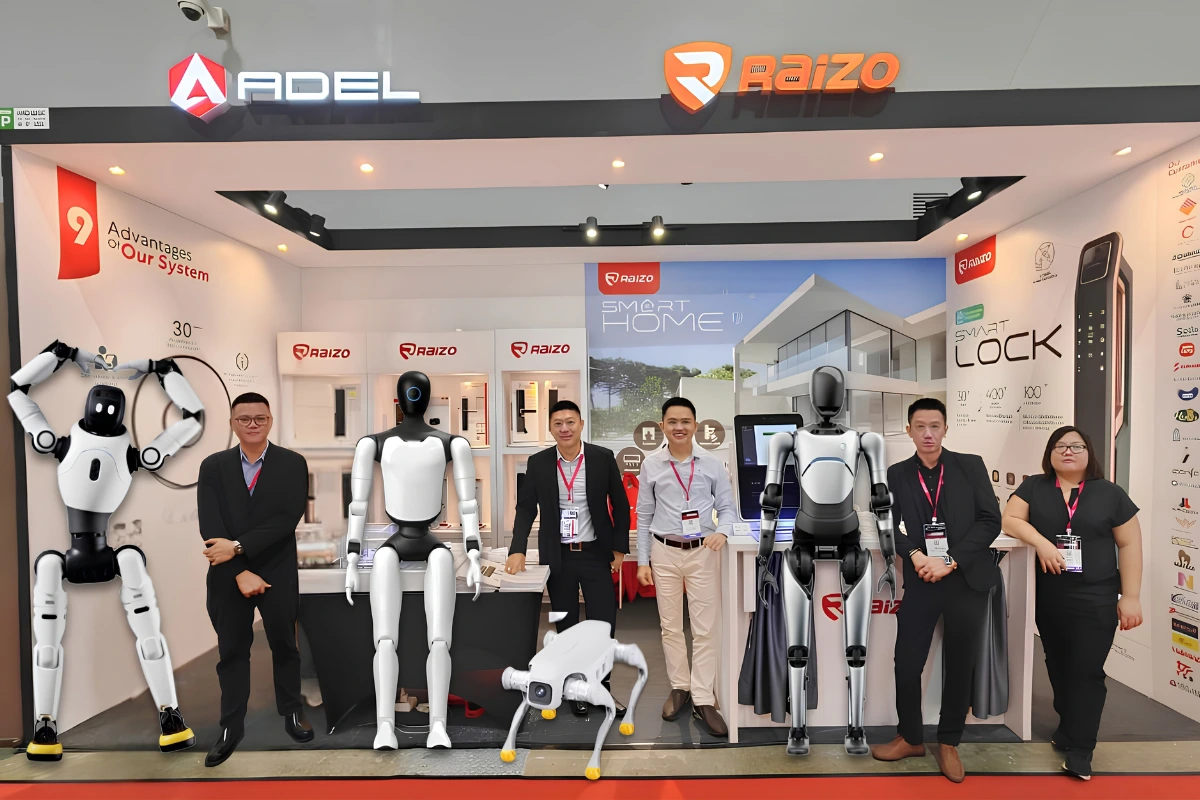
For instance, Raizo Malaysia has supplied smart solutions to many prominent properties since 2006, completing 500+ projects.
Quotable: The best protection against supplier failure in a smart residential building is a smart device layer built on published open standards, because open-standard devices can be replaced by another brand without replacing the entire system.
Does a Smart Home Increase Property Value?
Direct Answer
Smart home automation increases resale value by $5,000 to $10,000 per unit, according to 35% of surveyed agents, and it reduces ongoing utility costs through automated lighting and climate scheduling (National Association of Realtors, 2024).
Property value and sell-through speed
Homes with smart features sell 8.5 days faster on average than comparable homes without the smart home system, according to National Association of Realtors research.
For a 200-unit launch, 8.5 days per unit compounds into a meaningfully shorter sales cycle and lower holding costs.
Buyers increasingly research developments the way they research phones: on the tech spec sheet, not just the floor plan.
Discover how a smart home actually improves property value, making your property more appealing to homebuyers.
Lower operational and utility costs
Automated lighting and curtain scheduling reduce electricity use in unoccupied units without residents’ manual operations.
Smart home devices with Zigbee use less power than those with WiFi, which matters when you’re running automation across hundreds of thousands of units simultaneously.
How do smart home security systems fit in?
Direct Answer
Security is the layer of smart home automation that residents prioritize most and often complain about when it isn’t considered. Unit-level security consists of three layers: the unit door, the interior, and the alert sent to the resident’s phone, with the smart door lock being the most-used device in the entire smart home system,
Residents use the smart lock several times a day and occasionally for everything else. Specification effort belongs where the usage is.
The three unit-level security layers
- The unit door. The smart door lock and its unlock methods. Highest traffic, highest complaint volume, and the device that decides whether residents rate the system.
- Interior sensing. Motion sensors, door and window curtains, and indoor CCTVs that the resident includes.
- Push notifications to the resident’s phone. Tamper alerts, unlock notifications, and lights-turned-on notifications that residents receive on the integrated mobile app.
What to check before you approve a lock
- Credential mix. Fingerprint, card, app, and face each fail in different ways. Specify at least two independent credential types per door.
- Mechanical override. Every unit door needs a physical key path and a mechanical key as a backup when batteries die.
- Fire door compliance. Smart door locks on fire-rated doors need matching certification. Ask for BOMBA and SIRIM certification in the tender response, not after award.
- Offline behavior. The lock must authenticate cached credentials when the network is down.
*If you’re looking for SIRIM-certified and BOMBA-approved smart locks, Raizo smart locks will be a better option for you.
How does smart home automation cut energy use?
Direct Answer
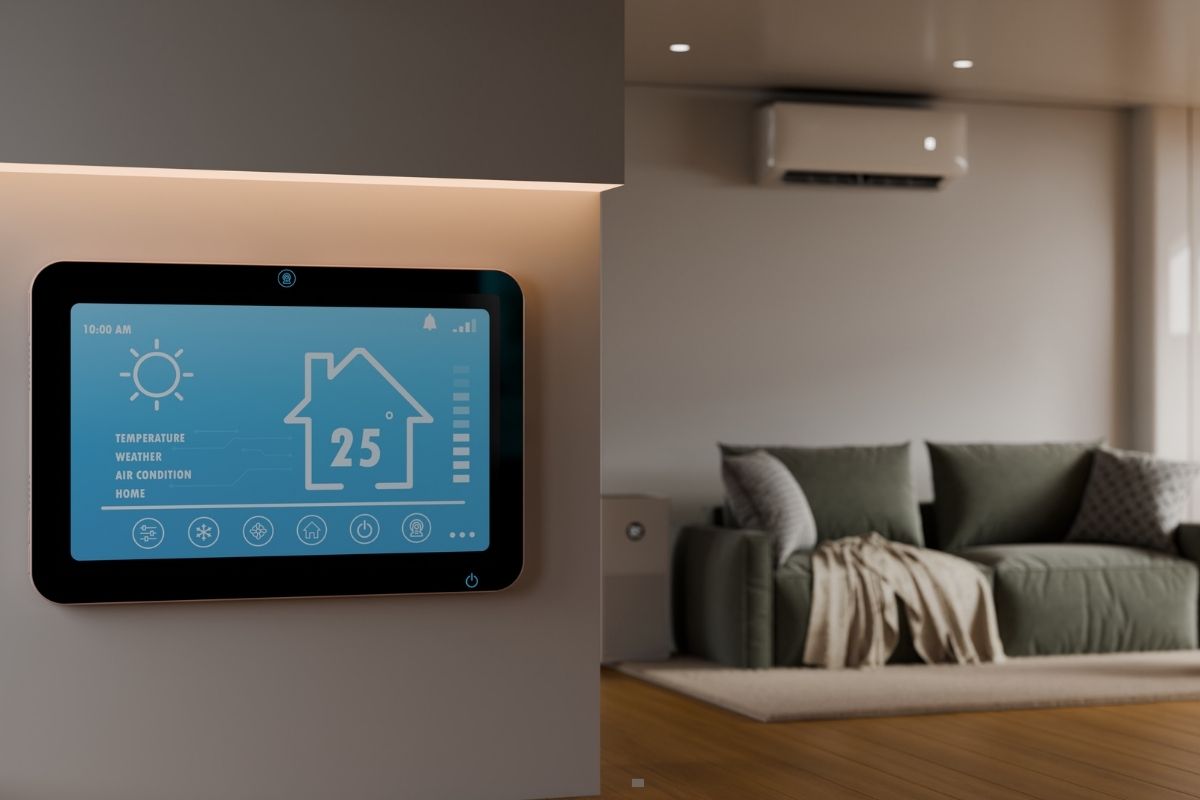
Smart home automation eliminates energy waste by optimizing the two largest loads in a Malaysian home: air conditioning and lighting. Savings come from occupancy-linked control and scheduling.
Here’s the actual fact. Malaysian energy-saving practices differ from those in the American and European articles, as we can see everywhere. Those articles state that heating is the dominant load. In Malaysia, cooling accounts for the most energy use.
According to TNB’s 2026 Tariff A structure, domestic consumption is billed in blocks, increasing from 21.80 sen/kWh for the first 200 kWh to 57.10 sen/kWh for consumption above 900 kWh, with a 3.70 sen/kWh ICPT surcharge applied across all tiers.
The structure matters: a kilowatt-hour saved by a heavy-using household is worth twice as much as one saved by a light-using household.
That tariff shape is your ROI indicator for your property units.
Where savings come from | Mechanism | Impact |
|---|---|---|
Air-conditioning scheduling and occupancy cut-off | Stops cooling an empty room | Highest |
Air Conditioner set point | Holds 24–25°C instead of 18°C | High |
Lighting occupancy control | Common areas and bathrooms | Moderate |
Standby load management | Smart plugs cut idle draw | Low |
Consumption visibility | Residents change their behavior once they see their electricity bills. | Moderate, and it compounds |
What does smart home automation cost, and what is the ROI?
Direct Answer
Budget smart home automation in four lines, not one: hardware per unit, building infrastructure, commissioning and handover, and the support and lifecycle. The fourth line is the one most developers omit from the feasibility study and the one that determines whether the system still works after a few years.
Your feasibility study needs all four cost lines below.
Cost line | What sits inside it | When you commit | Commonly missed because |
Hardware per unit | Locks, hub, switches, sensors | Tender stage | Quoted per unit, so it looks like the whole cost |
Building infrastructure | Conduit, cabling, riser space, network, power points | Design stage, before tender | Adding conduit after slab pour costs several times more than drawing it in |
Commissioning and handover | Configuration, testing, resident app onboarding, handover training | Pre-handover | Priced as a lump sum and squeezed when the program slips |
Support and lifecycle | Warranty, spare parts, firmware, battery replacement | Post-handover, resident-side | Sits with the resident and the supplier, so developers skip checking whether the supplier can actually service it |
Smart home automation advantages and disadvantages
Direct Answer
Smart home automation gives you differentiation, lower operating costs, and better security. The costs are upfront capital, integration risk during construction, and dependence on a supplier who must remain responsible and available in ten years.
Here’s the table that gives you clear advantages and disadvantages of having the advanced smart home system:
Advantages | Disadvantages |
|---|---|
Differentiates the product at the sales gallery stage | Adds capital cost at the least comfortable point in the cash flow |
Cuts staff and management workload on access and credentials | Needs several contractors to get it right, and mistakes only show up weeks before handover |
Reduces electricity spending in the higher-tariff property units | Delivers weaker energy returns in compact, low-consumption units |
Extends to future phases on the same platform | Ties the development to a supplier’s product roadmap |
Meets modern buyer expectations in Malaysia. | Needs resident onboarding, or adoption stays low and complaints rise |
What happens when the smart home supplier disappears?
Direct Answer
A supplier closing down his business turns a smart building into a mechanical one, and the damage depends entirely on the decisions you made at tender. Four clauses, such as open standards, local credential storage, spare parts & firmware commitment, and the migration path, keep the system usable.
Supplier continuity and reliability are the first questions your management team will ask for supplier assessments.
The following requirements are worth reviewing to protect the development.
- Spare parts and firmware commitment. Ask for a stated support window in years and a written commitment to parts availability. The number should be in the contract.
- Check what the supplier has already proven. Completed multi-unit project references, a local service team that offers 24/7 after-sales support, and stock availability in Malaysia matter more than a simple feature list.
For instance, Raizo Malaysia has supplied smart solutions to many prominent properties since 2006, completing 500+ projects.
Quotable: The best protection against supplier failure in a smart residential building is a smart device layer built on published open standards, because open-standard devices can be replaced by another brand without replacing the entire system.
Where is smart home automation heading?
Direct Answer
Smart home automation is moving from an optional upgrade to a market expectation in Malaysia and other countries, driven by fiber rollout and reduced device costs. You should set the smart home system as a base specification in your next launch rather than as a premium add-on.
The market figures vary widely depending on what each research house counts, so treat direction as the signal and the exact number as an estimate.
Source | Scope | Figure |
|---|---|---|
IMARC Group (2026) | Malaysia smart home devices | USD 435.53 million in 2025, forecast USD 1,463.91 million by 2034, 14.42% CAGR |
Phoenix Research, reported by Yahoo News Malaysia (2026) | Malaysia smart home market, broader scope | USD 1.56 billion in 2025, forecast USD 5.14 billion by 2033, 26.18% CAGR |
The gap between the two figures is a matter of scope, not a contradiction. The first scope refers to devices; the other calculates the wider market, including installation and services.
Infrastructure enables both figures. IMARC records over 3.32 million premises with fiber connectivity in Malaysia by early 2024 under the Jendela program, with a target of 7.5 million. Automation platforms that rely on stable home broadband today have the network to operate.
Adoption is concentrated in Kuala Lumpur, Selangor, and Penang, with tier-2 cities growing fastest as prices fall.
If you’re wondering how smart home technology is progressing today, discover the smart home automation trends for 2026.
Also, read about the rise of smart home technology to learn how smart homes have developed until today.
How smart Door locks fit into a development-wide rollout
Direct Answer
Smart locks are usually the first device residents interact with daily, making them the main point of a smart home rollout. They pair fingerprint, RFID card, PIN, and app-based access with automatic locking.
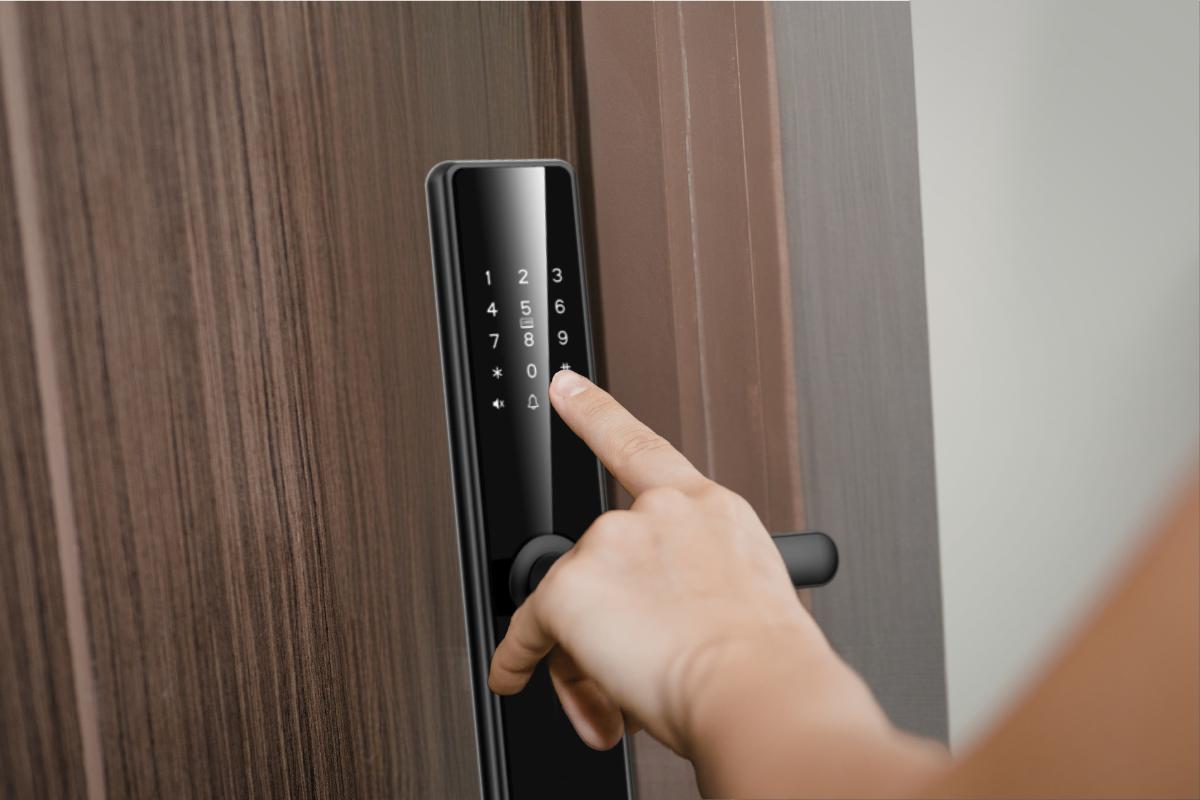
A smart door lock removes the need for a physical key that can be lost or duplicated.
Combined the Raizo smart door lock with the rest of the Raizo smart home ecosystem, from door sensors to CCTV to lighting, the smart lock creates one connected smart system your marketing team can present at every visit.
Standardizing on one lock and hub system across all phases avoids the integration problem entirely: new units join the same ecosystem, rather than a different one each phase.
Conclusion
A smart home system is the devices, hub, and app inside each property unit. Smart home automation is how those parts function together to give residents a seamless living experience.
For your next project, shortlist smart home system suppliers by first checking the 6 handover items. Then, comparing devices comes after.
Want to improve your property ROI and attract more homebuyers? Talk to the Raizo team about your next property development today.
>>Schedule a consultation.