
Direct Answer
What is a humanoid robot
A humanoid robot is a robot built in the shape of a human body, with a head, torso, two arms, and two legs, so it can work in spaces made for people. The International Federation of Robotics describes a humanoid robot as a robot that performs tasks in a human environment without changing that environment.
According to Counterpoint research, more than 22,000 humanoid robots were shipped worldwide in the first half of 2026. That number is up nearly 300% from the year before.
Meanwhile, according to Data Bridge Market Research, the humanoid robot market in Malaysia is forecast to reach USD 488.14 million by 2032 and is projected to grow at a CAGR of 62.44% from 2025 to 2032.
Today, humanoid robots perform tasks humans do, such as greeting visitors, performing on stage, and working in university research labs.
Throughout this guide, ‘What is a humanoid robot’, you’ll learn what a humanoid robot is, how it works, what it costs, where it pays off, and where it doesn’t yet. You’ll also see where Malaysia stands, from the perspective of a local distributor.
What is a humanoid robot?
A humanoid robot is a general-purpose robot that looks exactly like a human. NVIDIA defines humanoids as “general-purpose, bipedal robots modeled after the human form factor,” built to work with people to increase productivity.
Most humanoid robots on the market have the same body plan. The table below presents the parts that a typical humanoid has.
Part | What the part does |
|---|---|
Head | Holds cameras, depth sensors and microphones |
Torso | Holds the battery pack and onboard computer |
Arms and hands | Pick up, carry and use tools |
Legs (or a wheeled base) | Walk, climb stairs and keep balance |
Joints | 20 or more motorized joints that copy human movement (humanoid.guide) |
What makes a robot humanoid?
A robot is treated as a humanoid when its body and abilities imitate a person’s. According to Automate.org, the site of the Association for Advancing Automation, humanoid robots have three main traits.
- Human body structure: two legs for moving around, including arms and hands for holding tools.
- High degrees of freedom: advanced humanoid robots have 28 or more independently moving joints, and some robots reach 41 with bionic hands.
- Embodied AI perception: stereo vision and onboard AI allow the humanoid robot to see, understand, and act based on its surroundings.
Despite that, some humanoid robots roll on wheels instead of walking. Robots that roll on wheels still count as humanoid because the upper body imitates a human’s, which matters in the types section below.
What is the difference between a robot and a humanoid?
“Robot” is the umbrella term for any machine that senses, decides, and acts. In contrast, a humanoid robot is one type of robot that looks and behaves like a human.
Robot type | Shape | Where the robot works | Does the space need changing? |
|---|---|---|---|
Industrial robot arm | Single arm, bolted down | Factory cells | Yes, safety fencing and fixed stations |
Autonomous mobile robot | Wheeled cart | Warehouses, hospitals | Sometimes, clear flat floors |
Robot dog | Four legs | Patrols, inspection, rough ground | Rarely |
Humanoid robot | Human body | Human spaces: lobbies, shops, factories | No, that’s the point |
A robot arm welds car frames all day in one spot. A humanoid robot walks to the shelf, opens the door, and hands over the part to others without human instructions.
Why do humanoid robots exist?
Direct Answer
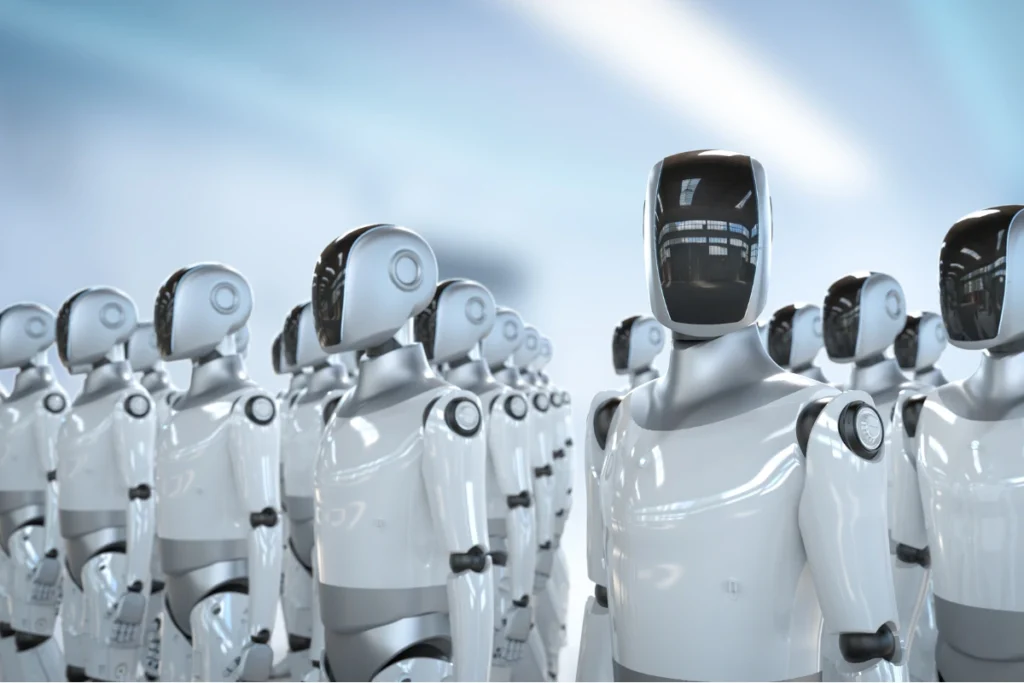
Humanoid robots exist because the world is built for human bodies. A robot shaped like a person can perform tasks, like climbing the same stairs, pressing the same buttons, and using the same tools, without you rebuilding the space around the robot.
Why are humanoid robots designed like humans?
Look at any hotel or condo lobby. Door handles sit at waist height, lift buttons at finger height, and every shelf, stair, and tool is customized for the human body.
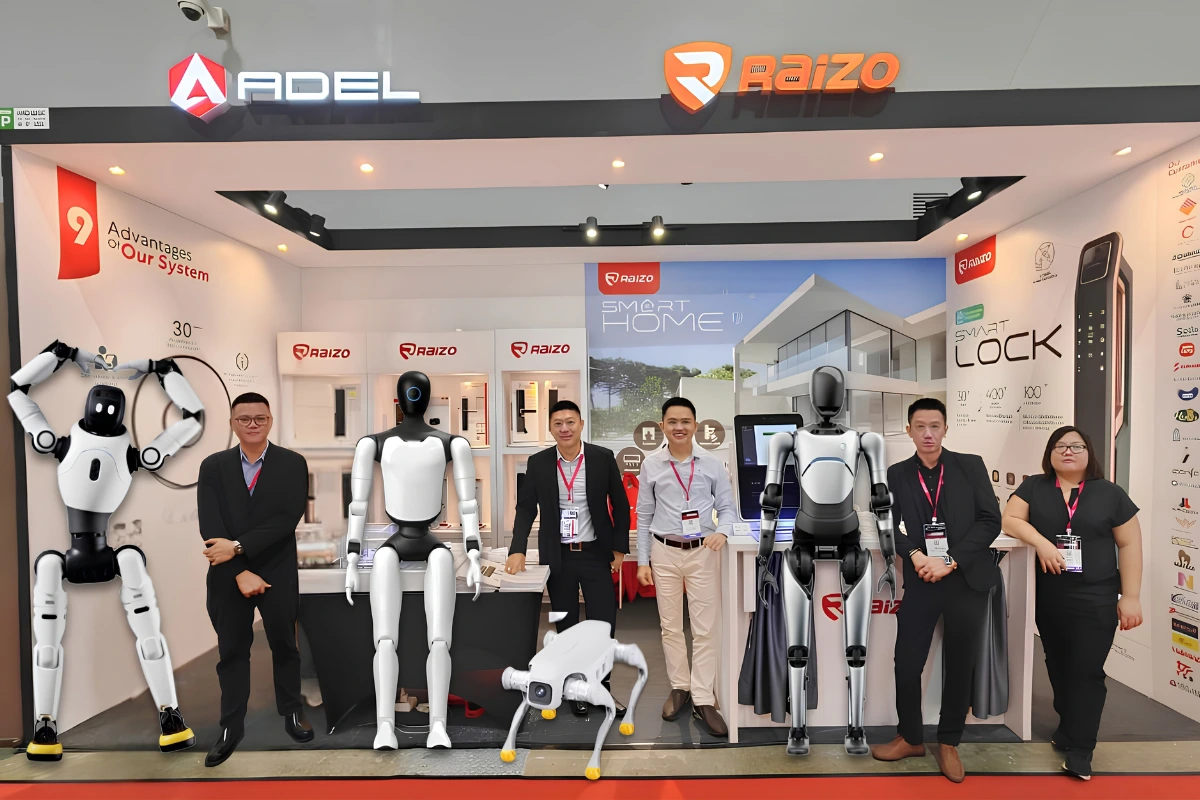
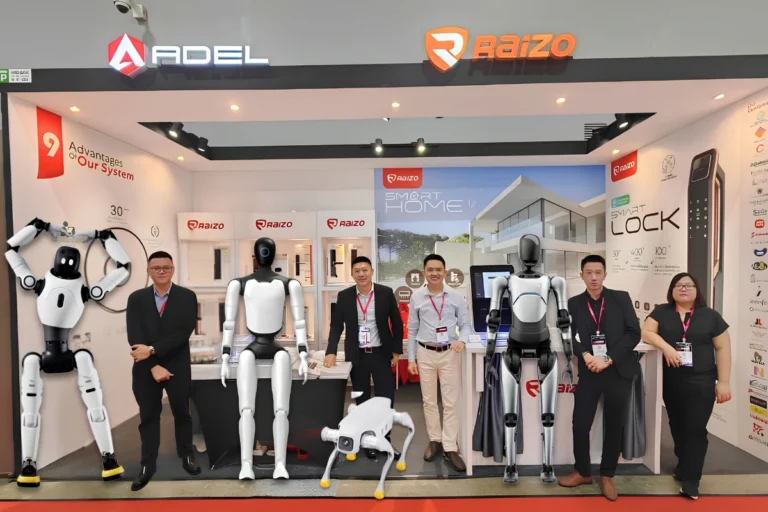
At Raizo, we offer smart door lock solutions, so we see this situation daily: door handles, lift buttons, shelves, stairs, and tools are designed for the human body. In fact, even the smart door lock still assumes a human hand will push the door open.
McKinsey & Company states that humanoid robots are tools for “unstructured, human-designed spaces” where traditional robots would need a modified environment. So buying a robot that fits the building is usually easier than rebuilding the entire property for robots.
However, a human shape isn’t always the most efficient shape, when other types of robots still perform well. For example, a wheeled cart moves boxes faster on a flat floor, and a robot arm welds more accurately. Humanoid robots work like a charm when they move between spaces built for people.
What can humanoid robots do?
Humanoid robots today greet, guide, carry, inspect, assemble, and perform. The table shows how ready each task is.
Task | Example | Maturity today* |
|---|---|---|
Greeting and reception | Welcoming guests, answering questions | In commercial use |
Guided tours | Leading visitors through a showroom or gallery | In commercial use |
Stage shows and crowd attraction | Dancing, martial arts, drumming at events | In commercial use |
Factory assembly and material handling | Moving parts on car assembly lines | Pilots and early orders |
Household chores | Unloading a dishwasher, tidying | Early, often remote-controlled |
*Maturity ratings are Raizo’s editorial view based on the sources cited in this guide.
At Raizo, we list the AgiBot models we supply in the first three rows. The AgiBot A2 Ultra handles reception and tours, the A3 performs on stage, and the X2 Ultra works in retail and exhibition spaces. Learn more about our humanoid robot models.
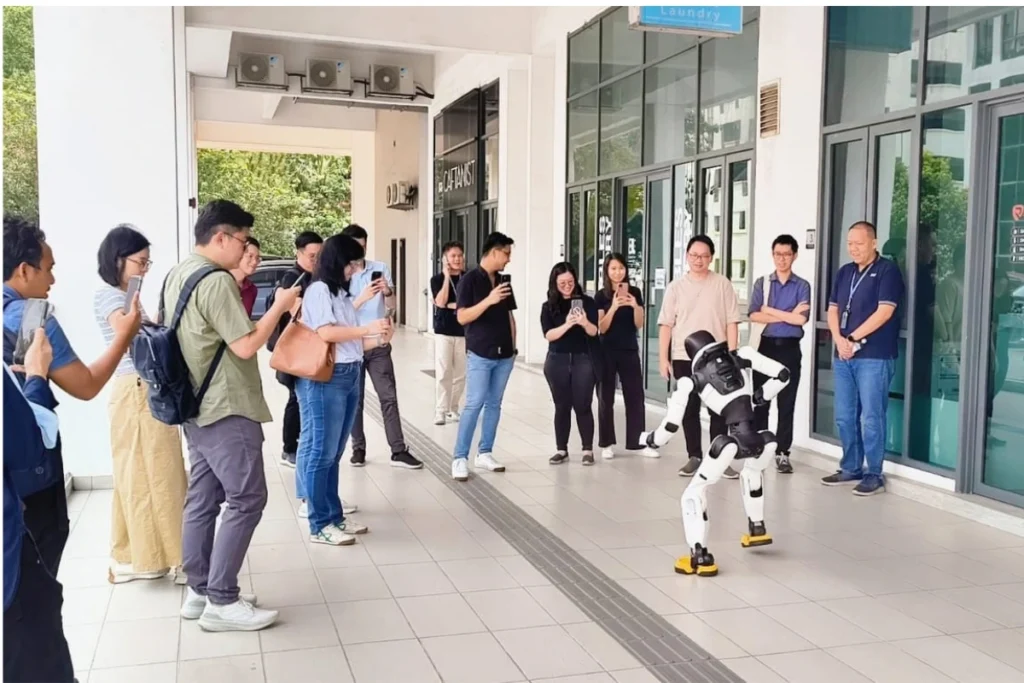
Here’s the X2 Ultra performing in front of the crowd during the client visit to Raizo.
What are the different types of humanoid robots?
Direct Answer
Humanoid robots consist of 3 types: fully humanoid robots with legs, semi-humanoid robots with a human upper body on a base, and humanoid service robots built for front-of-house work.
The table below lists out 3 types of humanoid robots
Type | Body | Typical job |
|---|---|---|
Fully humanoid | Head, torso, two arms, two legs | Research, factories, events |
Semi-humanoid | Human upper body on wheels or a fixed base | Reception, light handling |
Humanoid service robot | Human-like, tuned for people-facing tasks | Lobbies, retail, exhibitions |
Fully humanoid robots
Fully humanoid robots have the complete human body structure, with two hands and two legs.
Semi-humanoid robots
Semi-humanoid robots have a human-like head and torso but no legs. Semi-humanoid robots feature a wheeled base or a fixed stand.
Wheels trade stair climbing for stability and longer battery life. Wheel robots suit flat spaces like malls, airports, and hotel lobbies.
Some prominent models include PuDu D7, G2, and Billy.
Humanoid service robots
Humanoid service robots are specifically built for socializing: greeting, guiding, answering questions, and performing in front of people. For example, the AgiBot A2 Ultra uses face recognition and answers questions in multiple languages.
If you operate a hotel, mall, or showroom, the humanoid service robot is the better option for your business today. Explore the models available locally on our humanoid robot Malaysia page.
How do humanoid robots work?
Direct Answer
A humanoid robot works in a loop: sensors read the surroundings, AI software decides what to do, and electric motors move the joints. A battery pack in the torso powers the whole loop, many times a second.
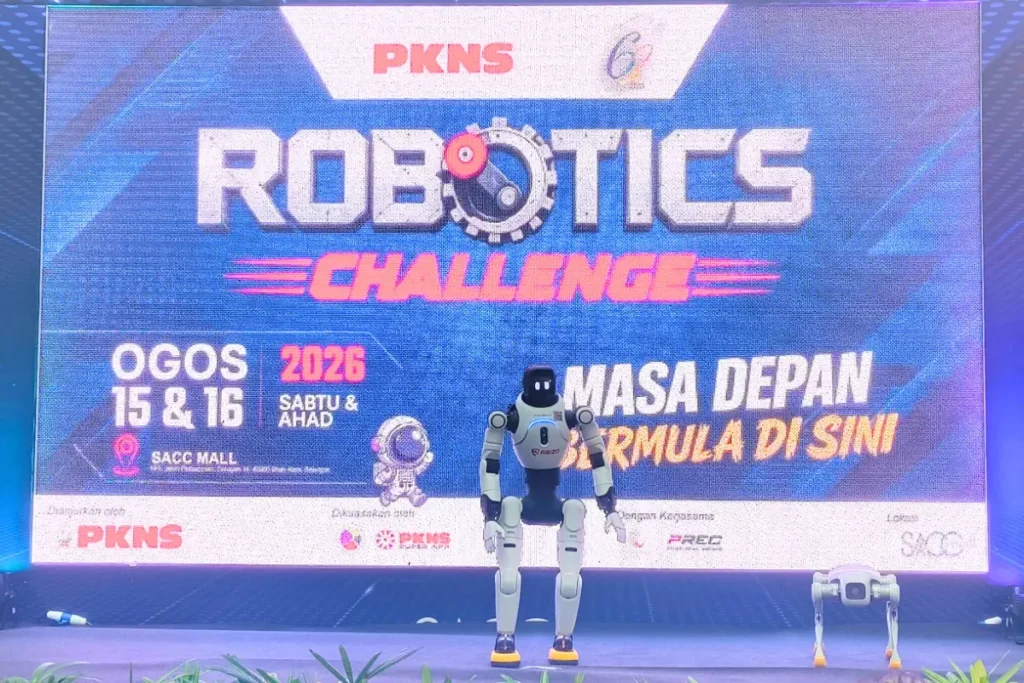
AgiBot X2 Ultra performed on stage at the Robotics Challenge 2026 event.
What do humanoid robots run on?
Humanoid robots are powered by electricity stored in lithium-ion battery packs, usually mounted in the torso.
The hardware has 4 main parts:
- Actuators: electric motors at each joint that activate movement.
- Frame: a lightweight metal or composite skeleton that holds the motors and wiring.
- Battery: a high-density lithium-ion pack.
- Onboard computer: processors that run motion control and AI. Automate.org states that advanced embodied AI platforms utilize up to 1,500 TOPS (trillion operations per second) of computing power to achieve autonomous action.
The software runs in 3 layers: high-level AI for perception and planning, motion control for balance and walking, and middleware that passes data between them.
Battery life is the first limit you’ll feel.
1X NEO | About 4 hours |
AgiBot A3 | Up to 10 hours |
How do humanoid robots move?
Humanoid robots move by activating dozens of joint motors in a precise sequence while a motion-control system balances the body. Walking on two legs requires the robot to always correct its balance.
Here’s an interesting fact: most humanoid robots learn to walk in simulation first. Robots inside digital twins use reinforcement learning, where the humanoid robot repeats a movement thousands of times and keeps what works.
On top of that, balancing is also the biggest physical risk for humanoid robots. A 60 kg robot that falls in a crowded lobby is a safety problem, which the safety section covers.
How do humanoid robots understand their environment?
Humanoid robots understand their environment through sensors. The usual set includes:
- External sensors: cameras, lidar, depth sensors, microphones, and tactile pads on the hands.
- Internal sensors: gyroscopes, accelerometers, joint encoders, and torque sensors that track the robot’s own body.
Sensor fusion is the software that integrates all the readings from humanoid robots into a single picture. As a result, the humanoid robot understands where the wall is, where a person is standing, and how hard it’s holding a cup.
Meanwhile, those microphones and cameras also gather data inside your property. Keep that in mind for the smart home and safety sections.
How is AI being used in robots?
Direct Answer
AI enables a humanoid robot to see objects, understand speech, plan tasks, and respond to people. NVIDIA mentions 3 main training methods for humanoid robots: machine learning, imitation learning (copying human movements), and reinforcement learning (trial and error).
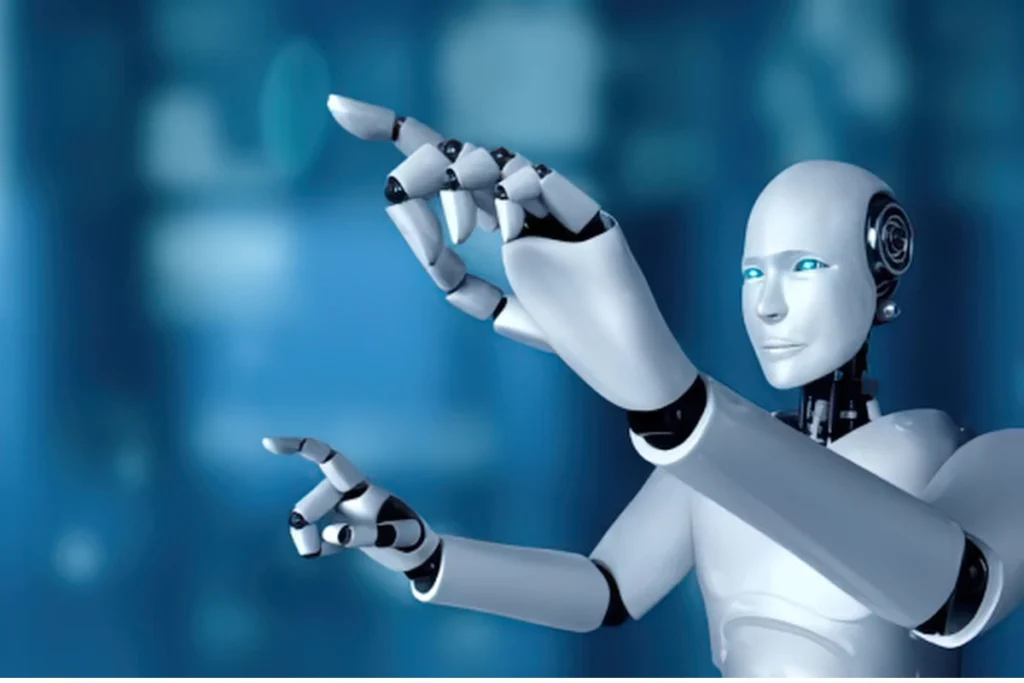
Honestly, a humanoid robot is merely a puppet that only repeats fixed motions without AI. Thus, AI is what turns the robot body into something that adapts.
Developers also train humanoid robots through teleoperation: an individual wearing a VR headset controls the robot, and the AI learns from those recordings on its own.
AI for vision and object recognition
Vision AI lets the humanoid robot know what the camera sees. Humanoid robots use vision-language models that connect images to words, so a robot can find a specific object, such as “the huge black box with paper.
AI for speech and language
Natural language processing allows a humanoid robot to hear a question and answer in plain speech. For instance, the AgiBot A2 Ultra answers visitor questions in multiple languages without waiting for the right person to attend to them.
In Malaysia, with its distinctive ethnicities, A2 Ultra serves guests in English, Bahasa Malaysia, and Mandarin. This makes multilingual speech the deciding feature for your clients.
AI for decision-making
Decision-making AI divides a goal into multiple steps. For example, the request “Bring the parcel to Room 1203” becomes: find the parcel, pick it up, walk to the lift, ride to level 12, find the door.
However, many public demos out there still combine true autonomy for humanoid robots with remote control. That gap is important when you judge a robot, and the “real or fake” section explains how to identify the gap.
AI for human-robot interaction
Interaction AI thoroughly reads human faces, gestures, and voices so the humanoid robot responds like a polite individual. The AgiBot A2 Ultra uses face recognition to greet returning visitors.
What are humanoid robots used for?
Direct Answer
Humanoid robots are used these days for multiple tasks commonly performed by hymans, such as reception, guided tours, exhibitions, research and teaching, with growing pilots in car factories. Household use is still early and often relies on remote human operators.
Industry | Use today | Maturity |
|---|---|---|
Hospitality | Greeting, lobby events, tours | Commercial use |
Manufacturing | Assembly line material handling | Pilots and early orders |
Retail | Crowd attraction, product demos | Commercial use |
Healthcare | Patient care support | Early |
Education | Research and teaching platforms | Largest market today |
Customer service | Information desks, airports | Commercial use |
Household | Simple chores | Early, often remote-controlled |
Humanoid robots in hospitality
Hotels usually use humanoid robots to greet guests warmly, lead tours, and draw attention at events. A humanoid robot in the lobby attracts guests to your front desk as a first point of contact during peak check-in hours, without ignoring them.
In fact, hotels face constant staff turnover. The hospitality labor crunch is the new operational reality in Malaysia. Hotels face massive staff turnover as talent migrates to higher-wage markets. According to the Malaysian Association of Hotels (MAH), understaffing has caused service bottlenecks, leading to long lobby queues and delayed check-ins.
Thus, robots fill the gap by answering repeat questions and concerns, freeing your team for guests who need real human interaction.
Humanoid robots in manufacturing
Manufacturing is where the biggest orders are going. According to official company data released by PR Newswire, UBTech’s Walker S2 has collected more than 800 million yuan (about US$112 million) in orders and ships to BYD and NIO assembly lines.
Humanoid robots at factories move parts, load bins, and inspect work in areas designed for human workers.
Humanoid robots in retail
Retailers use humanoid robots to attract crowd attention, run product demos, and answer shopper questions in multiple languages. Also, a dancing robot at a shopping mall roadshow draws visitors in a way an advertising banner can’t.
The AgiBot X2 Ultra is a compact model sized for retail floors and exhibition booths.
Humanoid robots in healthcare
Healthcare use is still early. Humanoid robots usually support patient care, such as helping staff fetch supplies and assist patients.
[ADD: one named hospital pilot with a source, or keep this section short.]
Humanoid robots in education
Education is the biggest market for humanoid robots right now. Unitree, one of the world’s top 2 sellers, gets about 70% of its revenue from research and education.
Universities buy humanoid robots to teach robotics, AI and engineering, and to train new AI models.
Humanoid robots in customer service
Customer service humanoid robots work at information desks at airports, shopping centers and showrooms. Humanoid robots for customer service answer routine questions, give directions, and leave the complicated tasks or requests that need human interaction to staff.
Indeed, the AgiBot A2 Ultra’s features, including face recognition and multilingual answers, suit venues with mixed-language visitors.
Humanoid robots for household tasks
When will humanoid robots actually help with household chores like tidying and laundry? |
Humanoid robots can help manage some simple chores today, under human supervision.
Fortune tested 1X’s NEO and found that NEO handled simple household tasks such as unloading a dishwasher and watering plants. Nonetheless, difficult chores required a 1X employee wearing a VR headset to control the humanoid robot remotely.
According to AI Business, Tesla expects to sell Optimus to outside customers in 2027. AI Business also treats the US$20,000 target price for the Optimus model as “a promise on a slide, not a checkout button.”
Laundry-folding robots are coming. But for now, plan on a supervised helper.
What are the benefits of humanoid robots?
Direct Answer
Humanoid robots take over repetitive tasks, work in buildings without renovations, handle simple front-of-house conversations, and free your staff to focus on work that needs a human.
The following are the benefits of humanoid robots, but each has current limits, so you can judge the fit.
Automation of repetitive tasks
Humanoid robots handle repetitive tasks such as picking, packing, inspection, and simple assembly. Unlike humans, humanoid robots don’t get bored, even after hundreds of repetitions of the same task.
Limitation: battery life. Most models need recharging after a few hours.
Working in human-centered environments
A humanoid robot suits your existing property, a building designed for humans. You don’t need to install rails or special floors customized for robots, which is normally where automation costs increase.
Limitation: A humanoid robot still needs clear, well-lit paths. The humanoid robot slows down when there is clutter and crowds.
Human-robot interaction
Humanoid robots greet visitors, answer questions in different languages, and attract crowds. People respond to a human-form robot differently than to a kiosk screen, enhancing the interaction experience.
Limitation: Humanoid robots often only hold simple conversations and answer common questions. Your staff still need to handle complaints and complex requests.
Supporting workers
Humanoid robots help augment human productivity. In practice, the humanoid robot handles repetitive questions and heavy lifting, while your staff makes the judgments.
Limitation: Your staff still needs to run the training, charge, and update the robot.
Are humanoid robots actually useful?
Direct Answer
Yes, for repetitive, narrow tasks in spaces built for people. Humanoid robots aren’t ready yet to be general-purpose workers without supervision all day.
The numbers show the gap. According to the deputy director of the Department of Science and Technology, China’s industry ministry (MIIT), the humanoid robot output is forecast to be about 100,000 units in 2026, while shipments were around 20,000 to 40,000 in the first half.
Meanwhile, Unitree, a top-2 seller, still earns approximately 70% of its revenue from research and education. Most humanoid robots sold today go to events, labs, and classrooms.
Automate.org explains the shift: the industry question has moved from “Can the humanoid robot be built?” to “Where does the humanoid robot pay off?”
Use this 5-question fit test before you buy:
- Is the task repetitive and predictable?
- Does the task happen in a space built for people (stairs, doors, counters)?
- Does the humanoid robot stay on one site?
- Can a staff member supervise and step in?
- Does the saving or extra revenue beat the full cost of owning the robot?
Where humanoid robots are most useful
Job | Why humanoid robots fit |
|---|---|
Reception and greeting | Repetitive, people-facing, one location |
Guided tours and showrooms | Fixed routes, scripted content |
Events and exhibitions | Crowd attraction is the main goal |
Research and teaching | The robot itself is the subject |
Light material handling | Factory pilots in human-built work areas |
Where the humanoid robot may not be suitable
Humanoid robots are not an ideal option at places where a cheaper, simpler machine already works. For example, a conveyor belt moves boxes at a speed, and a robot vacuum cleans floors, eliminating manual work.
On top of that, humanoid robots struggle with heavy loads all day, wet or dusty sites, and crowded public spaces without staff nearby.
What are the limitations of humanoid robots?
The main limitations of humanoid robots today are short battery life, high prices, balance risk, and limited training data.
- Battery endurance: most models run 2 to 10 hours per charge.
- Mass production: humanoid robot production volumes are rising, but the number used in commercial settings is still low. The mass production of humanoid robots off the assembly line has not yet been reached.
- Balance and stability: a robot with a pair of legs can fall, creating a safety risk in high-traffic spaces.
- Training data: Robots need huge amounts of movement data to learn new tasks.
- Weight vs computing power: more onboard computing adds weight and drains the battery faster.
Are humanoid robots safe?
Direct Answer
Humanoid robots are safe when deployed with supervision, clear operating zones, and a supplier who handles updates and repairs. Formal safety standards for humanoid robots are still being written.
Even though industrial robot arms have mature safety standards, humanoid robots don’t yet.
Multiple industry sources report that ISO is drafting ISO 25785-1, a standard for legged and humanoid mobile robots in industrial use.
What are the risks of humanoid robots?
The main risks of humanoid robots fall into 4 groups:
- Physical: falls, pinch points at the joints, and moving limbs near people.
- Privacy: cameras and microphones that record inside your property.
- Cybersecurity: a connected humanoid robot is a device a hacker can break into.
- Liability: questions about the responsibilities when a humanoid robot damages property or hurts someone.
Can humans trust humanoid robots?
Trust in a humanoid robot comes down to control: who can see through its cameras, and who can move it. When Fortune tested the 1X NEO, remote 1X staff controlled the robot for challenging tasks, using its cameras.
Your property, guests, and residents deserve clear answers before you purchase or rent the business.
Ask every vendor these 4 questions:
- Who can access the robot’s cameras and microphones?
- Where is recorded data stored, and for how long?
- Which functions work offline?
- Who services the robot, and how fast?
How do humanoid robots interact with smart homes?
Direct Answer
Humanoid robots connect to smart homes and buildings through software interfaces (APIs and SDKs) that link the robot to locks, lifts, lights and cameras.
Demand for smart homes with the integration of AI and robotics is growing in Malaysia.
According to architect Tony Mark at the DATUM conference held alongside KLAF 2026, i-City, the world’s first AI living residences, is integrating AI and robotics from the outset to enhance residents’ daily living experience. The concept was presented to more than 1,500 architects and built environment professionals.
Mark said AI-enabled homes could improve comfort by learning residents’ routines, automatically adjusting lighting, and optimizing energy and water use.
We believe smart homes with humanoid robots will become common soon, enhancing convenience and security for households.
Connecting humanoid robots to smart home devices
Every smart building touchpoint raises a question for a humanoid robot.
Touchpoint | What the robot needs | Who controls the humanoid robot |
|---|---|---|
Smart door lock | A digital credential to open the door | Building management |
Lift | A call and floor command | Lift system |
Lighting and air-con | Triggers when the robot enters | Home or building automation |
CCTV and sensors | Shared view of the space | Security team |
Humanoid robots and home automation
Home automation relies on routines and triggers that homeowners customize. A humanoid robot can serve as an additional trigger: when the robot arrives, the lights turn on; when it leaves, its door access expires.
Time-limited digital keys for smart locks are already available for visitors and cleaners. The same logic applies to a robot: give the robot access only where and when it’s needed.
Humanoid robots, cameras and sensors
How will humanoids interface with our homes? |
A humanoid robot is a mobile camera-and-sensor platform. Here’s the difference: fixed CCTV watches only one spot, while a humanoid robot supervises every room it walks through.
So agree on 3 things upfront: what the robot records, who owns that footage, and when its cameras switch off.
Why humanoid robots are important for family
Indeed, the smart robotic features aren’t simply there to impress people. Instead, robots serve a clear purpose: the country’s fast-aging population.
Malaysia is aging faster than others. According to property expert Samuel Tan from the New Straits Times, the population aged 65 and above was about 8.0 percent, or 2.89 million of 34.2 million people, in 2025. The Department of Statistics Malaysia forecasts that over 17 percent of the population will be aged 60 and above by 2040.
Meanwhile, of the 300 visitors to our booth during the two-day Archidex event, 80 asked whether Raizo’s AgiBot model can connect to the smart home ecosystem for their property developments.
From our point of view, this significant demographic shift will increase demand for assistive technologies such as AI and humanoid robots to enhance the lives of older people.
Robotic technology matters especially in a world where most older adults’ children are busy and have limited time to care for their parents 24/7.
How many humanoid robots exist today?
Direct Answer
Over 22,000 humanoid robots were shipped worldwide in the first half of 2026, up nearly 300% year on year, according to Counterpoint Research.
However, different research firms have different numbers.
Source | H1 2026 shipments | Scope |
|---|---|---|
22,000+ | Worldwide | |
40,000+ | China only |
Counterpoint also ranked the top sellers for the first half of 2026:
Company | Units shipped | Share |
|---|---|---|
AgiBot | About 9,700 | 43%+ |
Unitree | 7,000+ | 31% |
Galbot | 1,100+ | About 5% |
UBTech | 1,000+ | 4.4% |
Leju Robotics | 650 | 2.9% |
For the full year 2026, Counterpoint forecasts more than 50,000 units of humanoid robots to ship.
Smart Analytics Global forecasts approximately 60,000 units worth roughly US$1.6 billion (Forbes, August 2026).
Meanwhile, AgiBot, the brand Raizo distributes in Malaysia, built its 15,000th humanoid robot in June 2026.
Which country is leading in humanoid robots?
Direct Answer
China takes the lead in humanoid robots by units shipped. Chinese companies supplied between 78% and 97% of global humanoid robot shipments in the first half of 2026, depending on the research firm.
Source | China’s share |
|---|---|
77.9% of global shipments, H1 2026 | |
Over 95% from Chinese vendors | |
2026 Humanoid Robot Industry Development Report (Global Times) | 97%, H1 2026 |
According to Bloomberg, Chinese companies dominated global humanoid robot shipments in 2025 as well.
Country | Leading companies |
|---|---|
China | AgiBot, Unitree, UBTech, Galbot, Leju Robotics |
United States | Tesla, Figure, Agility Robotics |
Despite the United States holding big names and big valuations, with Figure valued at US$39 billion in September 2025, companies in China ship far more units.
Are humanoid robots real or fake?
Direct Answer
Humanoid robots are real. Tens of thousands shipped in 2026 alone. The doubt often comes from viral videos that are edited or secretly controlled by a human operator.
Some demos you see online show robots controlled remotely. However, humanoid robots require countless hours of testing to learn to do tasks. This process is called teleoperation.
Companies use teleoperation to train their AI. The problem appears when a video hides the feature.
Use this checklist to spot a staged demo:
- One continuous take: cuts between clips can hide failures.
- Real-time speed: check for “2x” or “4x” labels.
- No hidden operator: look for VR headsets or controllers in the background.
- Repeated success: one lucky try proves little.
- Stated payload: real specs come with numbers.
How close are we to humanoid robots becoming common?
Direct Answer
Humanoid robots are starting to scale, with 50,000 to 60,000 shipments expected worldwide in 2026. Everyday use in homes and businesses still needs lower prices, longer battery life and finished safety standards.
Stage | What it looks like | Timing |
|---|---|---|
Now | Research, teaching, exhibitions, reception and factory pilots | 2026 |
Next | Tesla Optimus sales to outside customers | Expected 2027 |
Later | Unsupervised household help at scale |
What is holding humanoid robots back?
5 common issues hold humanoid robots back today:
- Cost: most capable models still cost as much as luxury cars or more.
- Battery life: a few hours per charge doesn’t cover a full shift.
- Mass production:the lack of mass production as a key barrier.
- Training data: the limited data for teaching robots new tasks.
- Safety standards: the rules for humanoid robots in workplaces are still in draft.
Humanoid robots in Malaysia
Direct Answer
Malaysian businesses can buy humanoid robots today through local distributors. Raizo is an authorized AgiBot distributor in Malaysia, supplying humanoid robots for reception, tours, events, retail and security patrols.
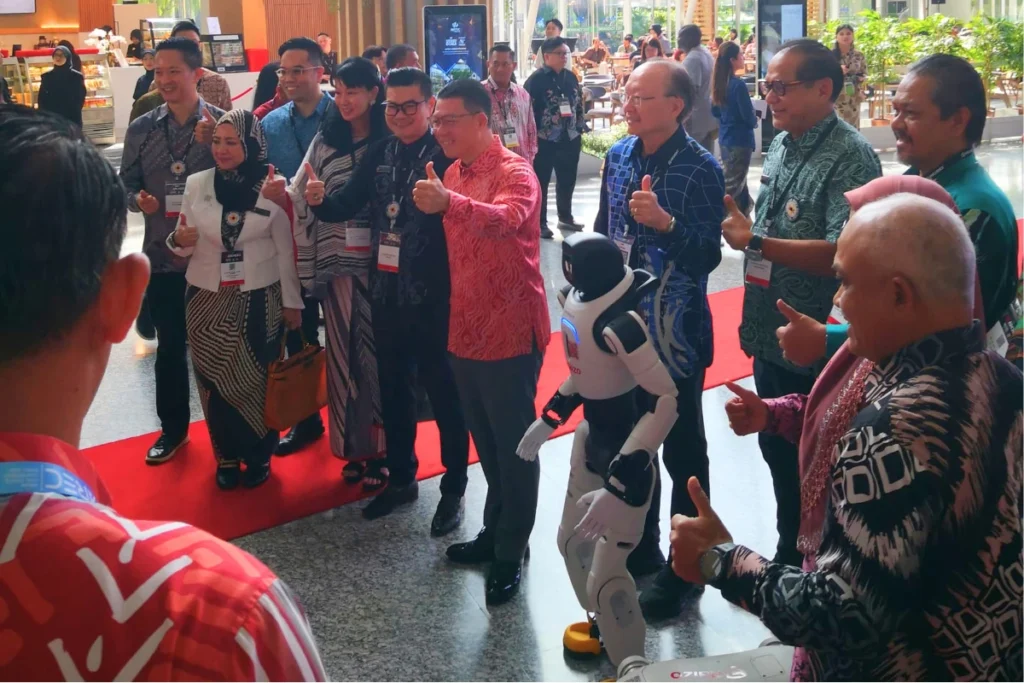
The X2 Ultra at Archidex 2026
Malaysia is deciding in 2026 whether to build robots or buy them. Dr Noor Azizi Mardi mentioned in Malay Mail that MOSTI’s PEMACU 2.0 program pushes local research toward technology the industry can use and sell. In addition, the government’s National Robotics Roadmap 2021-2030 sets the longer-term direction.
For buyers, the question is practical: who supports the robot after it arrives?
AgiBot model | Best for |
|---|---|
AgiBot A2 Ultra | Reception, tours, multilingual Q&A, face recognition |
AgiBot A3 | Stage performances, up to 10 hours of battery |
AgiBot X2 Ultra | Retail spaces and exhibitions |
AgiBot D1 Ultra (robot dog) | Security patrols over rough ground and stairs |
Every AgiBot humanoid robot from Raizo includes:
- 2-year warranty: covers the robot from handover.
- 24/7 local after-sales support: a responsive Malaysian team you can reach out to anytime.
- Secondary development support: new skills can be added to the humanoid robot as your needs become more complex.
Frequently Asked Questions
What is a humanoid robot in simple words?
Can a humanoid robot replace a human worker?
How long does a humanoid robot's battery last?
Can I buy a humanoid robot in Malaysia?
What is the difference between a humanoid robot and a robot dog?
Which company sells the most humanoid robots?
Conclusion
So, the question again is, ‘What is a humanoid robot? A humanoid robot is a machine built in human form to move and work in spaces designed for people, using sensors, AI, and electric motors.
Humanoid robots are real, shipping fast and already earning their keep at reception desks, events and showrooms. However, humanoid robots are still in pilot for difficult jobs that require manual work.
If you’re weighing a humanoid robot for your business, run the 5-question fit test, ask the vendor the 4 trust questions, and start with one clear use case.
Looking for a robot for your business or event to attract more visitors and keep your brand top of mind? Explore AgiBot models on our humanoid robot Malaysia page.