
Direct Answer
Hotel automation is the use of digital technologies, including self-check-in kiosks, smart room control systems, hotel door locks, and AI-powered assistants, to automate repetitive hotel operations, reduce manual workload, and improve the guest experience without requiring staff to be present at every touchpoint.
If you’re a hotel owner in Malaysia, wondering what is hotel automation and whether your property needs it, you’re in the right place.
Managing a hotel manually in 2026 is expensive, exhausting, and increasingly out of step with what modern guests expect. Long front-desk queues, lights left on in empty rooms, and staff stretched thin across too many tasks; these are problems hotel automation solves directly.
This guide covers everything you need to know: what hotel automation is, how the systems work, what benefits you can realistically expect, and whether your property is ready for the upgrade.
What Is Hotel Automation?
Hotel automation covers the entire guest lifecycle, from the moment a guest books a room to the moment the room is cleaned and ready for the next arrival.
Rather than relying on front-desk staff to manage every check-in, room access, maintenance request, and checkout, hotel automation systems handle these tasks through software, sensors, and connected hardware.
The three core pillars of hotel automation are the following:
- Room automation: smart lighting, HVAC control, and energy-saving systems triggered by occupancy sensors.
- Guest-facing automation: self-check-in kiosks, digital room keys, AI concierge assistants, and hotel robotics.
- Operations automation: housekeeping scheduling, maintenance alerts, and cloud-based Property Management System (PMS) integration.
Ultimately, hotel automation does not replace your staff. The smart hotel automation system reassigns your staff from repetitive manual tasks to higher-value guest interactions.
Why Hotel Automation Matters for Malaysian Hotels in 2026
Malaysian hotel owners face three compounding pressures in 2026: rising guest expectations, labor shortages, and higher operating costs. Hotel automation addresses all three by digitizing repetitive processes without increasing headcount.
The hospitality industry in Malaysia is recovering strongly post-pandemic, with Tourism Malaysia reporting over 20 million tourist arrivals in 2024. Guest expectations, however, have permanently shifted.
Here’s what Malaysian hotel owners are dealing with today:
- Rising labour costs: The minimum wage in Malaysia increased to RM1,700 in February 2026, making manual operations more expensive.
- Staff turnover in hospitality: The hospitality sector sees some of the highest employee turnover rates in Malaysia, creating service inconsistency.
- Tech-savvy guests: Travelers who regularly use Grab, e-wallets, and online banking now expect the same frictionless digital experience when they check into a hotel.
- Energy waste: rooms left with air conditioning and lighting running while unoccupied represent a high, avoidable electricity cost.
Hotel room automation systems address each of these pain points with targeted technology, not wholesale replacement of your team.
How Hotel Automation Works
Hotel automation connects individual smart automation devices, smart hotel door locks, self-check-in kiosks, hotel robotics, and management software through a central platform, usually a Property Management System (PMS), so hotel operations run automatically based on preset rules and real-time data.
Think of a hotel automation ecosystem as a team of digital staff members who communicate with each other continuously.
Here’s a simplified view of how the system connects:
Layer | Technology | Function |
Room Control | Smart lighting, HVAC sensors, curtain motors | Adjusts the room environment based on occupancy |
Communication | AI assistant, in-room tablet, hotel app, and hotel robotics | Handles guest service requests without staff involvement |
Guest Access | Smart hotel door locks, RFID keycards, mobile keys | Allows keyless room entry and access control |
Check-In | Self-check-in kiosk, mobile check-in app | Automates guest registration and room assignment |
Management | Cloud-based PMS, housekeeping dashboard | Centralises room status, billing, and maintenance alerts |
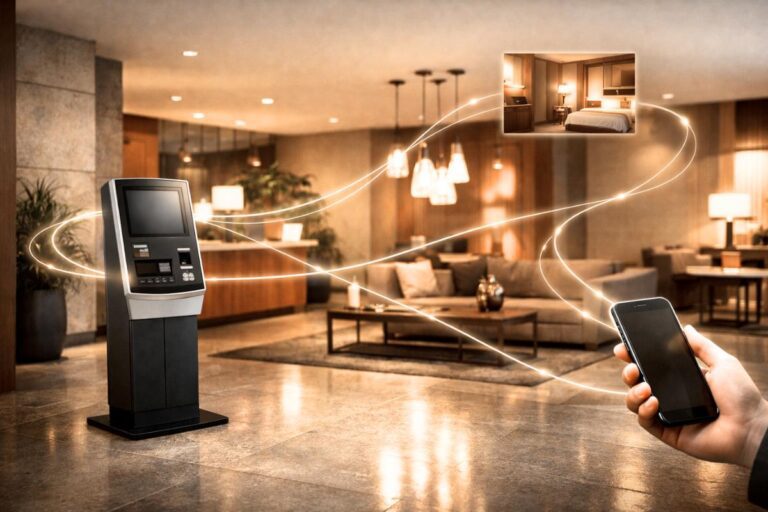
The Property Management System (PMS) acts as the brain. When a guest completes self-check-in at the kiosk, the PMS automatically updates room status, activates the digital key on the guest’s smartphone, and notifies housekeeping, all without a single manual step.
Discover why the property management system is important for hotels.
The 5 Core Hotel Automation Systems
The 5 core hotel automation systems are contactless check-in, smart room management, AI-powered concierge assistants, energy management, and hotel robotics systems. Each system can be adopted independently or integrated as a complete hotel automation package.
1. Contactless Check-In Systems
Contactless check-in allows guests to register, verify identification, and receive a digital room key, all through a self-check-in kiosk in the hotel lobby and a mobile application on their smartphone.
Key benefits for hotel owners:
- Front desk staff no longer need to be physically present 24 hours a day for check-in duties
- Late-night arrivals can access rooms independently without waiting for staff
- Queue times at reception drop significantly, especially during peak hours
For example, self-check-in kiosks integrate directly with hotel PMS software that Raizo has partnered with and support RFID key card issuance, ID scanning, and payment processing in a single unit.
Explore Evernet self-check-in kiosks to see how it works for your business operations.
2. Smart Room Management Systems
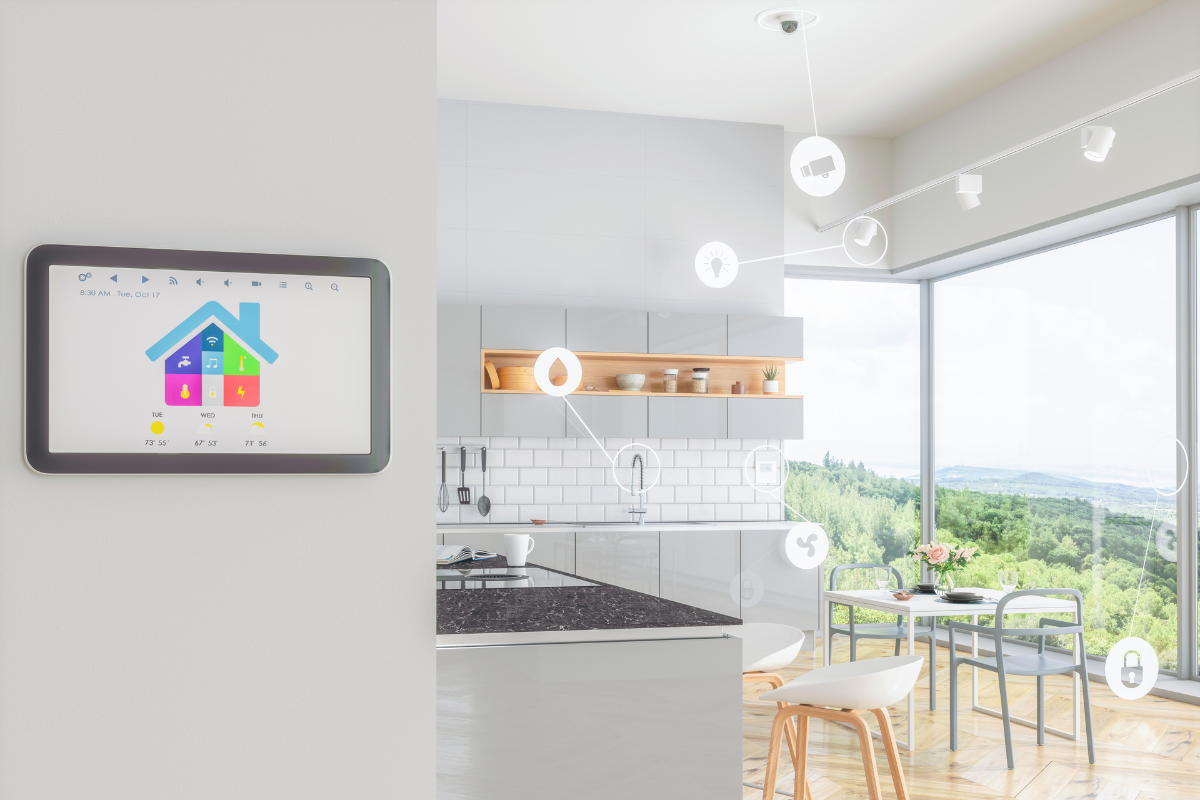
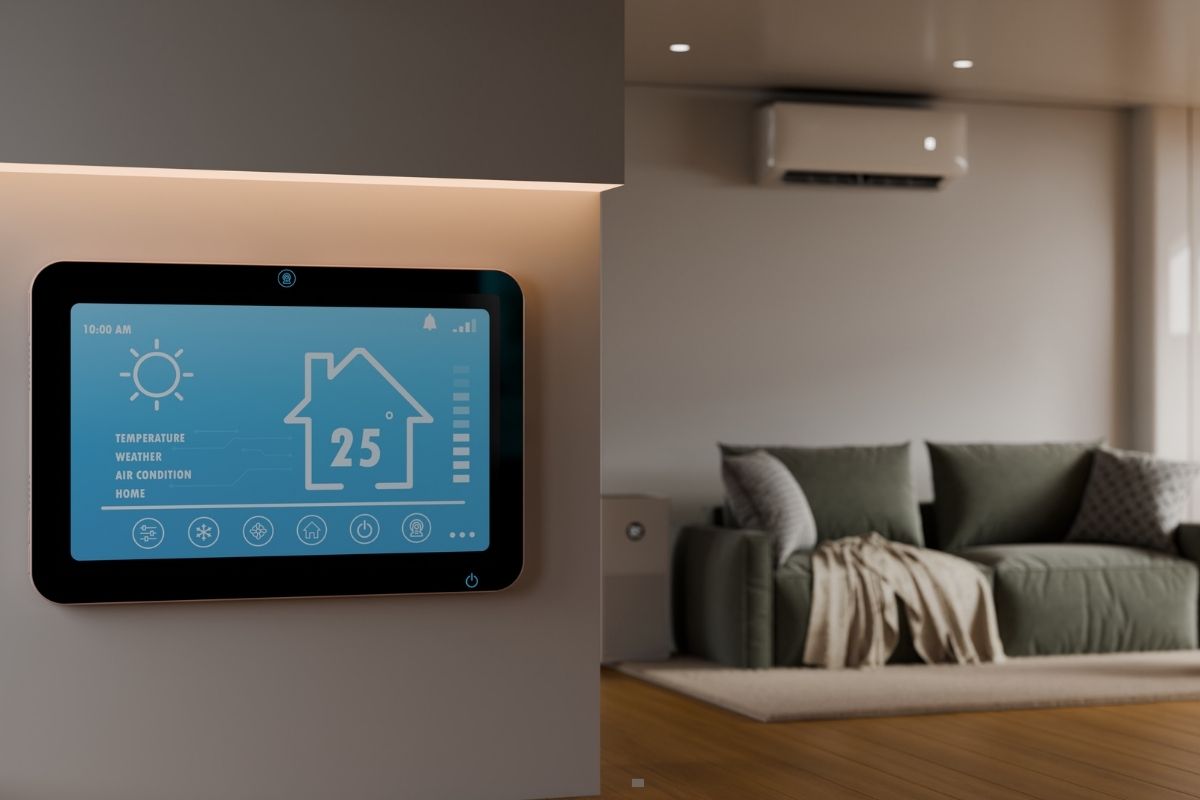
A smart room management system connects in-room devices, lighting, air conditioning, curtains, and entertainment systems through a central controller that responds to guest presence, preferences, and time-based rules.
Practical examples:
- Room lights automatically turn off or maybe dip when an occupancy sensor detects an empty room
- Air conditioning adjusts to the guest’s preferred temperature when guests enter the hotel rooms.
- Guests control the entire room environment, including lighting, air-conditioning, music, and TV, through a single in-room tablet or the hotel’s mobile app
The energy-saving impact is measurable: smart room systems can reduce hotel electricity consumption by 20% to 30%, according to studies by the International Energy Agency on smart building technologies.
3. AI-Powered Concierge Assistants
AI concierge systems allow guests to make service requests, ask questions, and control room settings using voice commands, without calling the front desk.
A guest can say “Please bring extra towels to Room 214” or “What time does the pool open?” and the AI assistant routes the request to the correct department automatically, with response tracking built in.
This reduces the volume of basic requests handled by your front-desk team by an estimated 40% to 60%, freeing staff for personalized guest interactions that genuinely require a human touch.
4. Hotel Energy Management Systems
Hotel energy management uses occupancy sensors, smart switches, and automated scheduling to ensure energy is only consumed when rooms are occupied.
The energy-saving switch, a key component in hotel room automation, cuts power to non-essential room systems the moment a guest removes the keycard or the room is detected as empty. Air conditioning, lighting, and entertainment units power down automatically.
For a 50-room hotel running at 70% average occupancy, this single automation can reduce monthly electricity costs by approximately RM500 to RM2,000, depending on room size and equipment load.
5. Hotel Robotic Systems
Many businesses from different industries around the world, especially in China, are using robots to make their operations efficient and cost-effective.
The hospitality industry is not an exception. Hotels use hotel robotic systems to deliver amenities to guests, clean the environment, and serve food and drinks.
All these hospitality services executed by robots require only a few human interactions from staff. The staff only needs to set specific routes via the robotic system, so the hotel robot assistants can perform their tasks effectively.
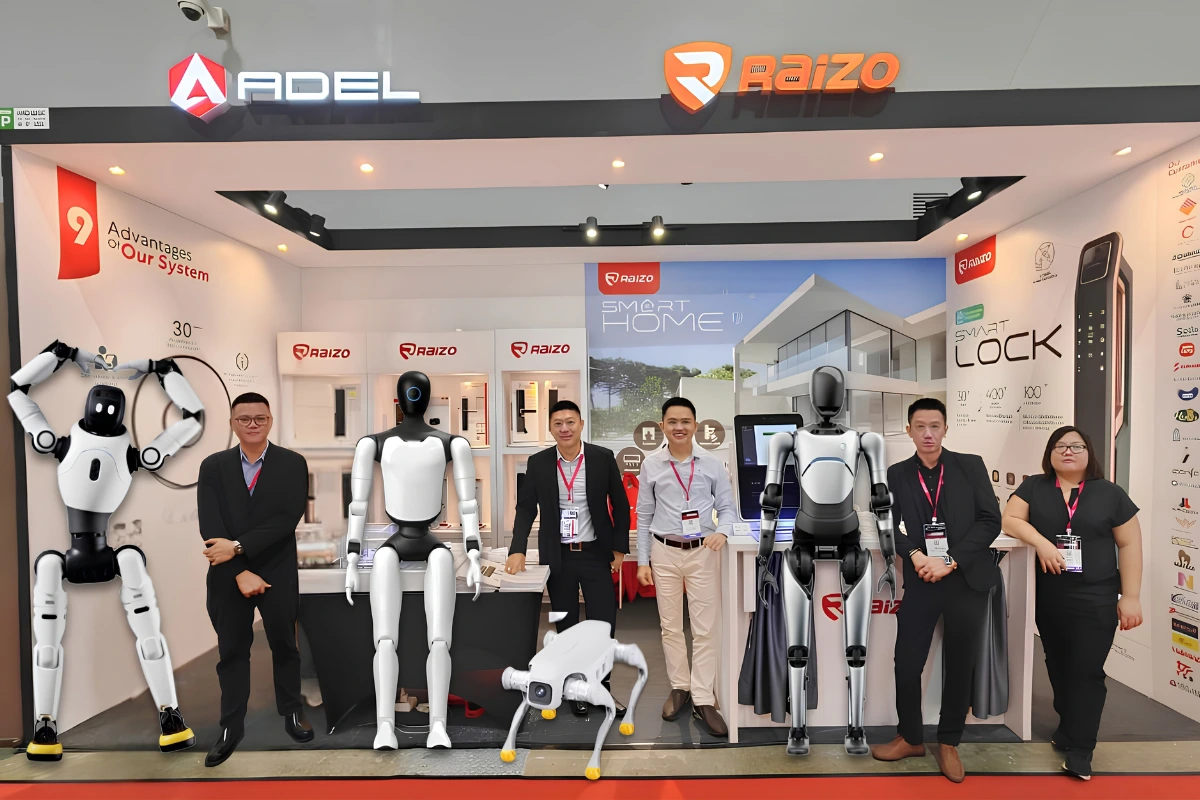
3 main robotic systems from Raizo include the following:
ServeMove: a robot that focuses on the seamless delivery of amenities and parcels to respective guests, without involving physical interaction between your staff and guests
.
CleanMove: a cleaning robot that helps clean the floor of your hotel in designated areas, like lobbies and corridors, reducing the time spent on housekeeping.
DineMove: a robot waiter that serves breakfast or lunch to your guests, allowing the chef to fully focus on preparing cuisines that guests appreciate.
Overall, the robotic systems not only help to offer a memorable guest stay and convenience, but the robots also reduce staff workload and streamline the entire hotel operation.
How Hotel Automation Improves the Guest Experience
Hotel automation improves the guest experience by eliminating three common friction points: long check-in queues, difficulty controlling the room environment, and slow responses to service requests, replacing them with instant, self-directed, and personalized interactions.
Modern guests, especially business travelers and millennial leisure travelers, evaluate hotels not only on the quality of the bed and the breakfast but also on how frictionless the entire stay feels.
Convenience
Guests no longer carry physical keycards that can be demagnetized, lost, or cloned, as mobile check-in exists. A digital hotel room key delivered to a smartphone allows room access through WiFi, Bluetooth, and NFC. No card, no queue, no problem.
Meanwhile, robotic systems eliminate the need for guests to collect their parcels at the front desk or for staff to deliver amenities to rooms physically, removing friction and guests’ wait time.
Speed
A self-check-in kiosk processes a guest arrival in under 3 minutes on average. Compare this to traditional front-desk check-in, which averages 6 to 10 minutes, or maybe longer during peak hours. For a guest arriving after a long flight, this difference matters.
Personalization
Smart room controls allow guests to save preferences, preferred lighting color temperature, air conditioning settings, and entertainment inputs, so the room feels familiar from the first night.
Returning guests can have preferences restored automatically through PMS guest profile integration.
Privacy and Independence
A growing segment of hotel guests, particularly those business travelers, prefer minimal staff interaction during their stay.
Hotel automation gives these guests full control over their environment and service requests without needing to speak with anyone in person.
How Hotel Automation Improves Hotel Operations
Hotel automation improves hotel operations by reducing manual workload for front-desk and housekeeping staff, eliminating human errors in billing and room status updates, and providing hotel managers with real-time visibility into every room and service request through a centralized dashboard.
Workload Reduction for Hotel Staff
When check-in, room access, and service request routing are automated, your front-desk team shifts from processing manual transactions to building guest relationships.
Staff satisfaction improves when the work is more meaningful and less repetitive.
Housekeeping Efficiency
Automated room status updates, triggered the moment a guest checks out or the room occupancy sensor registers an empty room, notify housekeeping immediately.
No more manual room status calls between floors. A cloud-based housekeeping dashboard shows every room’s status in real time.
Operational Consistency
A hotel that runs on automation delivers the same standard of service at 2 am as at 2 pm. Automated systems do not have bad days, forget steps, or get tired.
This consistency is particularly valuable for boutique hotels where small teams carry heavy workloads.
Is Hotel Automation Suitable for Your Property?
Hotel automation is suitable for hotels of all sizes in Malaysia, from small boutique to large chain hotels, because modern hotel automation systems are flexible and scalable, starting with one system and expanding over time based on budget and operational needs.
A common concern among hotel owners in Malaysia is that hotel automation is only for large, high-budget chain hotels. This is a misconception worth addressing directly.
Hotel size is not the deciding factor. Guest expectations are.
Whether you operate a 20-room boutique hotel in Penang or a 200-room business hotel in Kuala Lumpur, your guests arrive with the same expectations shaped by digital experiences in banking, retail, and transport.
Here’s a straightforward framework to assess readiness:
Your Current Challenge | Hotel Automation Solution |
Staff workload at the front desk | Self-check-in kiosk |
High electricity bills from empty rooms | Smart room energy management |
Guests are complaining about slow service responses | AI concierge or in-room tablet |
Lost or damaged room keycards | Smart hotel door locks with digital keys |
No real-time visibility into room status | Cloud-based PMS dashboard |
Start small, scale strategically. A hotel can begin with smart door locks and energy-saving smart room management, two of the highest-ROI automation components, and expand to a full smart room system over 12 to 24 months as returns are realized.
Raizo offers modular hotel automation packages designed specifically for Malaysian hotels, with responsive after-sales and spare part support.
Conclusion
What is hotel automation? At its core, hotel automation is the decision to let technology handle the repetitive, time-consuming tasks in your hotel, so your team can focus on what technology and AI cannot replace: genuine human interaction for hospitality services.
The question for hotel owners is no longer whether to automate but where to start.
Guest expectations are rising. Labor costs are increasing. Energy bills don’t manage themselves.
Hotel automation systems, from self-check-in kiosks and smart hotel door locks to AI concierge assistants and energy management platforms, give Malaysian hotels a practical, scalable path to operating more efficiently while delivering the experience modern guests expect.
Ready to explore hotel automation for your property to enhance both operational efficiency and guest experience? Discover Raizo’s smart hotel automation solutions, designed and supported in Malaysia, today.