
Table of Contents
1. What Property Developers Should Understand About Keyless Entry Door Locks
2. Why Properties Are Moving Toward Keyless Entry Door Lock Solutions
3. How Property Developers Evaluate Keyless Entry Door Locks During Project Planning
4. Keyless Entry Door Lock Features That Improve Building Security
5. Centralized Access Management for Property Managers
6. Mobile App Access and Remote Control: A Must-Have for Modern Properties
7. Temporary Passcodes and Visitor Access: Simplifying Tenant Management
8. Audit Trails and Access Logs for Better Property Oversight
9. Keyless Entry Door Locks vs Traditional Lock Systems in Multi-Unit Buildings
10. Integration with Smart Building and Property Management Systems
11. Reducing Operational Costs with Keyless Entry Door Locks
12. Installation Considerations for Developers and Renovation Projects
13. Tenant Experience: How Keyless Entry Improves Convenience and Satisfaction
14. Common Mistakes to Avoid When Choosing a Keyless Entry Door Lock
15. How to Select the Right Keyless Entry Door Lock for Your Property Type
16. The Future of Keyless Entry Door Locks in Smart Property Development
17. Final Thoughts
How do property developers select the right keyless entry door lock?
Residential developments in Malaysia are still widely adopting physical keys. However, as projects become larger and operational expectations increase, traditional key systems often create challenges for long-term access control, maintenance coordination, and tenant turnover management.
Because of this, many property developers now evaluate keyless entry door locks during the planning stage rather than after project completion.
Selecting the right system early helps ensure smoother handover to property management teams, stronger building security control, and better alignment with modern resident expectations.
In this guide, you’ll learn how property developers assess keyless entry door locks based on security performance, access management flexibility, system integration readiness, and long-term operational suitability for multi-unit residential buildings.
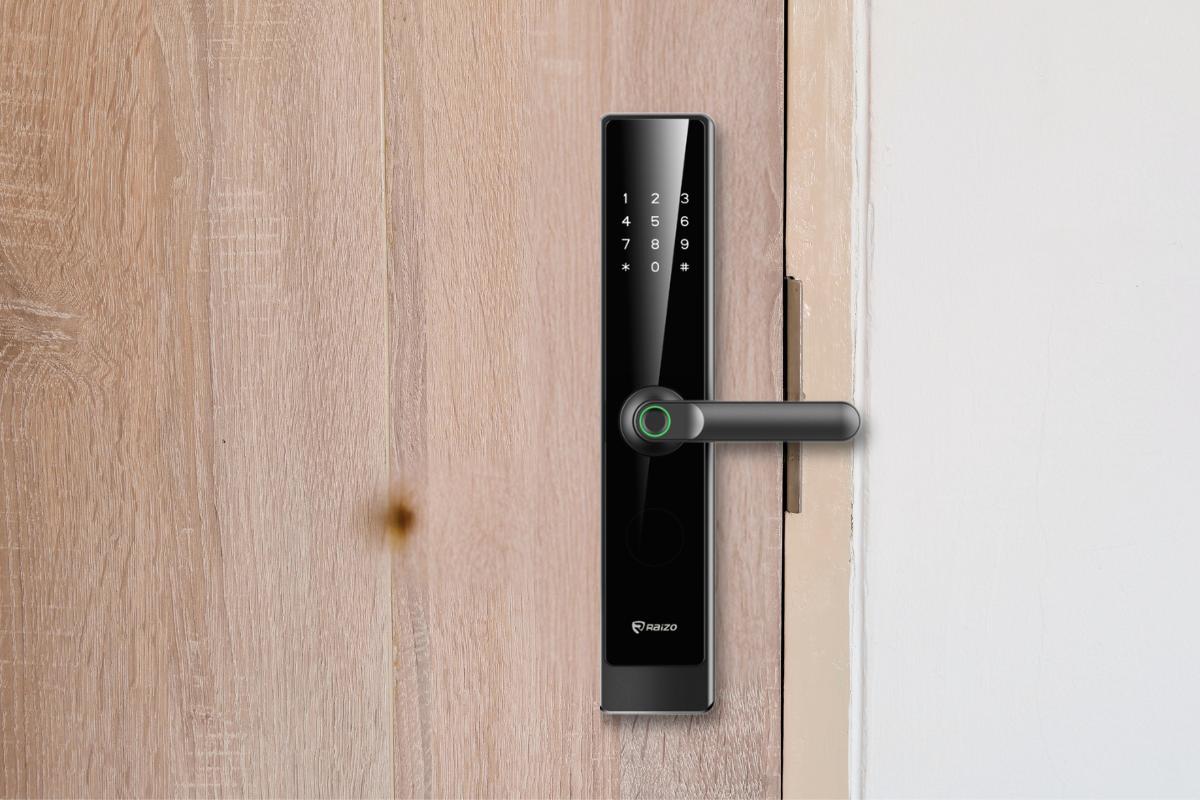
A keyless entry door lock is an electronic access solution that allows residents to unlock doors without using physical keys.
Instead, access is available through digital credentials such as biometric authentication, RFID cards, PIN codes, or smartphone applications.
For residential developments, these systems support centralized permission control, faster tenant onboarding, and more structured access governance across multiple units.
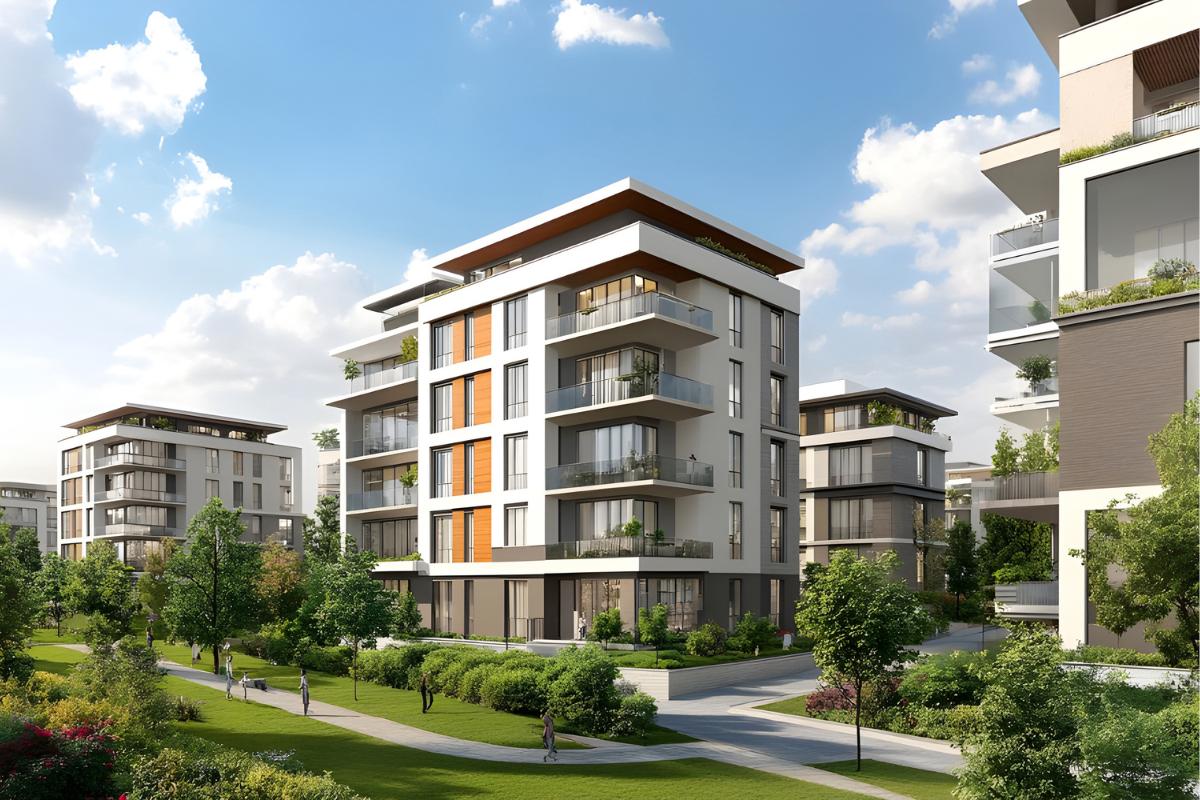
Property development today involves more than delivering completed buildings. Developers increasingly consider how access systems will support long-term property operations after handover to management teams or joint management bodies (JMB).
As a result, keyless entry door locks are no longer viewed as optional upgrades. They are becoming part of the planning strategy for modern condominiums, serviced apartments, and multi-unit residential projects across Malaysia.
Before selecting a lock system, developers typically review how the solution will perform throughout the building lifecycle rather than focusing only on individual unit features.
Some of the most important evaluation considerations include:
Door compatibility across unit layouts
Different unit types may require different door structures. A standardized lock platform simplifies installation and long-term maintenance.
Centralized access management capability
Developments with many units benefit from systems that allow administrators to manage permissions from one platform instead of handling physical keys individually.
Credential flexibility for residents and staff
Support for fingerprint, RFID cards, PIN access, and mobile credentials helps accommodate different user preferences and operational needs.
Integration readiness with building systems
Some projects require locks that can align with smart building platforms or property management workflows.
Vendor deployment and maintenance support
Reliable technical support ensures the system continues operating smoothly after project completion and handover.
Evaluating these factors early helps developers select solutions that remain practical long after residents move in.
When people think about security, they often imagine systems that are impossible to break. In reality, effective security is about better control and faster response.
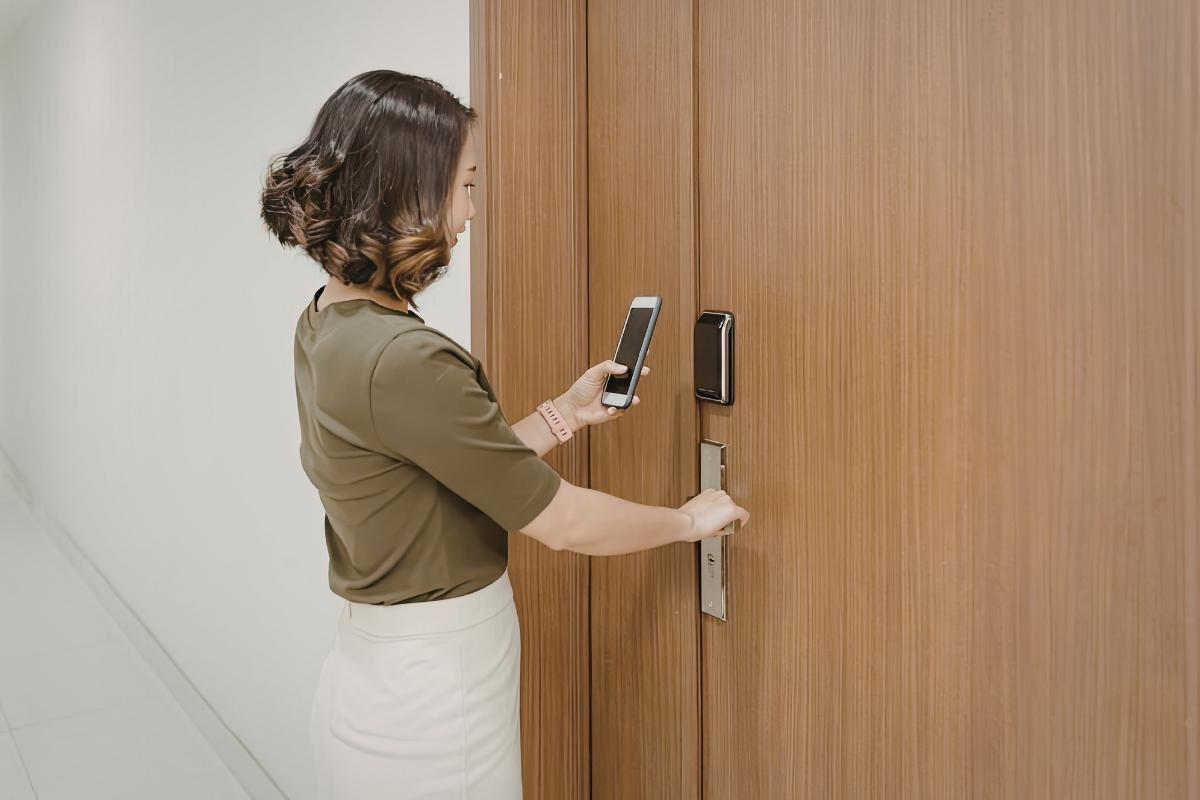
This is where a keyless entry door lock makes a difference. Instead of relying on physical keys, property teams gain clearer control over who can enter and when.
Physical keys are easy to use, but they offer very little control. Once someone has a key, access becomes difficult to manage.
A keyless entry door lock changes that. Your staff can decide who is allowed to enter and at what time, which is especially useful in buildings where tenants, maintenance staff, and service providers all require different access levels.
Lost keys are more than just inconvenient; they can create security risks.
With keyless systems, access can be removed immediately without replacing the lock. This allows property teams to resolve security concerns quickly and efficiently.
Many smart locks can detect unusual activity, such as repeated incorrect access attempts.
These alerts give property managers better visibility, helping them identify potential issues before they escalate.
Sometimes security problems happen simply because someone forgets to lock the door.
Auto-locking features ensure doors secure themselves automatically, reducing the chance of human error.
Even the best technology needs clear management practices.
Property teams should establish simple rules, such as:
When technology supports a well-defined policy, managing building security becomes far more effective.
Managing physical keys across dozens or even hundreds of units can quickly become complicated. Keys must be issued, tracked, replaced, and collected when tenants move out.
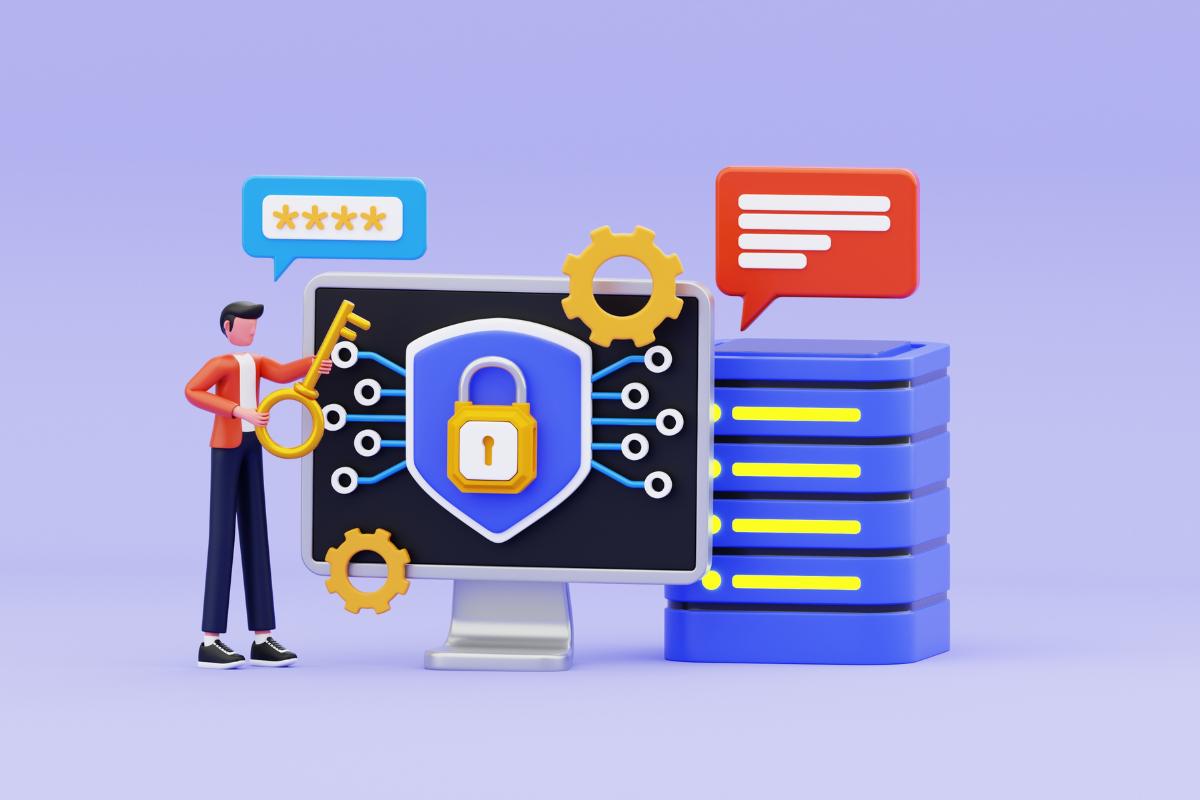
Keyless entry door locks simplify this by allowing access to be controlled from a single centralized platform.
Instead of handling individual keys, administrators can manage digital permissions. From one interface, property managers can add, update, or remove access without visiting each unit.
Tenant turnover is a normal part of property management.
With digital access, managers can easily:
This keeps operations organized and reduces unnecessary manual work.
Maintenance staff, cleaners, and technicians often require temporary access. Rather than distributing permanent keys, property managers can provide role-based access that only works when needed.
For large properties, centralized systems help maintain oversight. Instead of managing dozens of physical keys, administrators can monitor and adjust permissions through one platform.
When staff members change, keyless systems help maintain continuity. New administrators can simply take over the system without needing to reissue keys or replace locks.
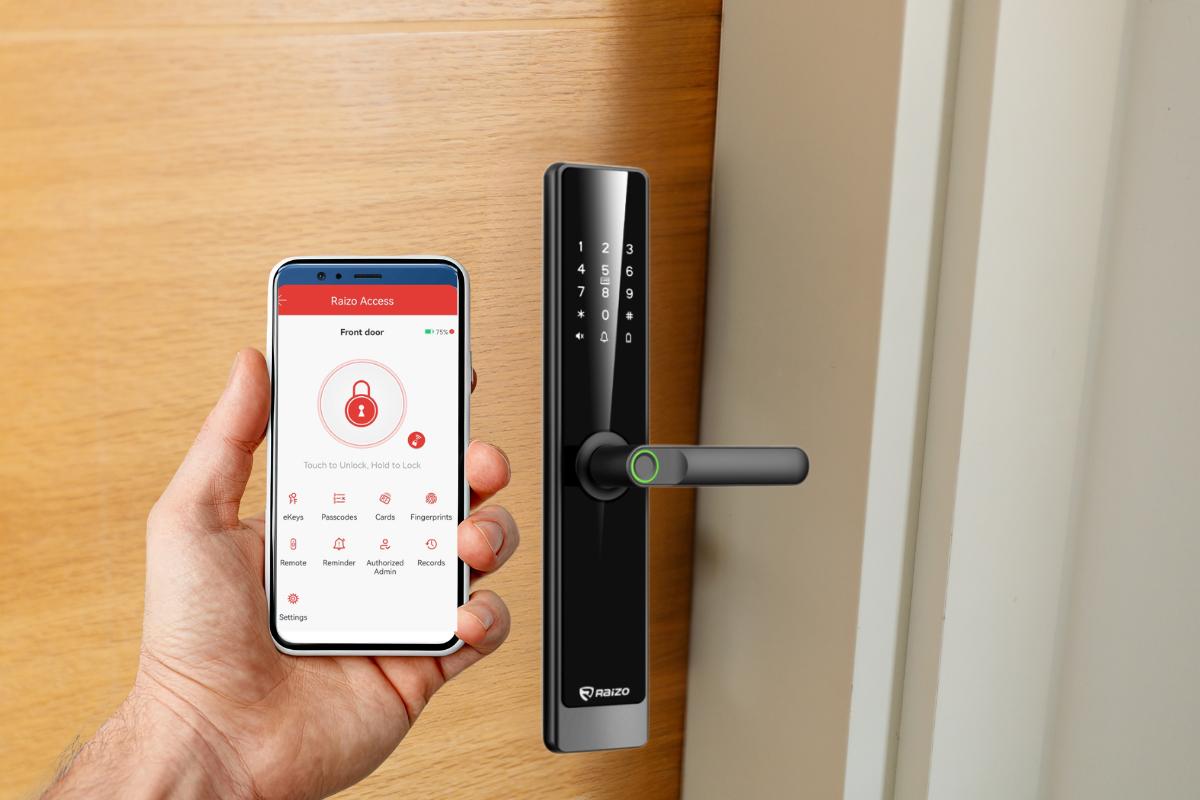
Mobile access is often viewed as a convenience feature, but for residential properties, it’s much more than that. It becomes a valuable management tool.
With remote control capabilities, access permissions can be updated without being physically present at the property.
Access can be adjusted anytime. If a tenant needs assistance or a contractor requires entry, permissions can be updated instantly. This flexibility saves time and improves operational efficiency.
Access-related issues occasionally arise in residential buildings. Remote access allows you to resolve problems quickly, improving tenant satisfaction and reducing delays.
Not everyone should have full control of the system. You should define clear administrative roles to ensure only authorized personnel can modify access permissions.
Giving administrative rights to too many users can create confusion. A structured access hierarchy helps maintain order while ensuring changes remain traceable.

Buildings frequently need to grant short-term access to people who are not permanent residents. This might include contractors, cleaners, delivery personnel, or visiting guests.
Keyless entry door locks make this process much easier to manage.
Temporary passcodes can be created for specific time periods. Once the time expires, access automatically ends, reducing security risks.
With traditional systems, someone must issue a key and ensure it is returned. Temporary digital credentials remove this process entirely.
Digital access reduces the need for staff to handle constant access requests manually. This allows property teams to focus on more important tasks.
Tenants can easily provide secure access to visitors when needed. This small improvement can significantly enhance the overall living experience.

When security concerns arise, the biggest challenge is often understanding what actually happened. Access logs provide valuable insight.
An audit trail records when a door was accessed and which credential was used. This creates transparency in how access systems are used.
If a security issue occurs, managers can review entry records to better understand the situation. This helps resolve incidents more efficiently.
When access activity is recorded, users tend to behave more responsibly. This adds another layer of operational discipline within the property.
Access logs also help property managers monitor how entry points are being used across the building.
Access to data should always be handled responsibly and only accessed by authorized personnel. Proper management protects both security and privacy.
Traditional locks remain familiar in many residential developments, but in multi-unit buildings, they often create limitations for access visibility, credential control, and tenant turnover coordination.
Physical keys provide limited control once they are distributed. Digital systems allow you to update permissions and maintain better oversight.
Managing keys across many units requires significant effort. Keyless systems eliminate many of these repetitive tasks.
As buildings grow larger, managing physical keys becomes increasingly complex. Digital access systems scale much more easily across multiple units.
Traditional locks may appear less expensive initially, but costs accumulate through lock replacements, lost keys, and staff time. Keyless entry systems often provide better efficiency over the long term.
Modern properties increasingly rely on technology to improve operations. Keyless entry door locks can be integrated into a broader smart building ecosystem.
Access systems can align with everyday workflows such as tenant move-ins, maintenance access, and building management. This coordination helps improve operational efficiency.
When systems are connected, property teams gain clearer visibility into access activity across the building.
Some properties use standalone access systems, while others integrate them with broader property management platforms. The right approach depends on how the building is managed.

While smart locks require an initial investment, they can reduce several operational costs over time.
Managing physical keys requires significant staff effort. Digital access eliminates many of these tasks.
Lost keys often require replacements or lock changes. Keyless systems remove this problem.
Without physical keys, tenants are less likely to experience lockouts.
When tenants move out, access can be removed instantly without replacing locks.
Instead of focusing only on purchase price, property teams should consider long-term operational efficiency. For multi-unit buildings, these savings can become substantial.
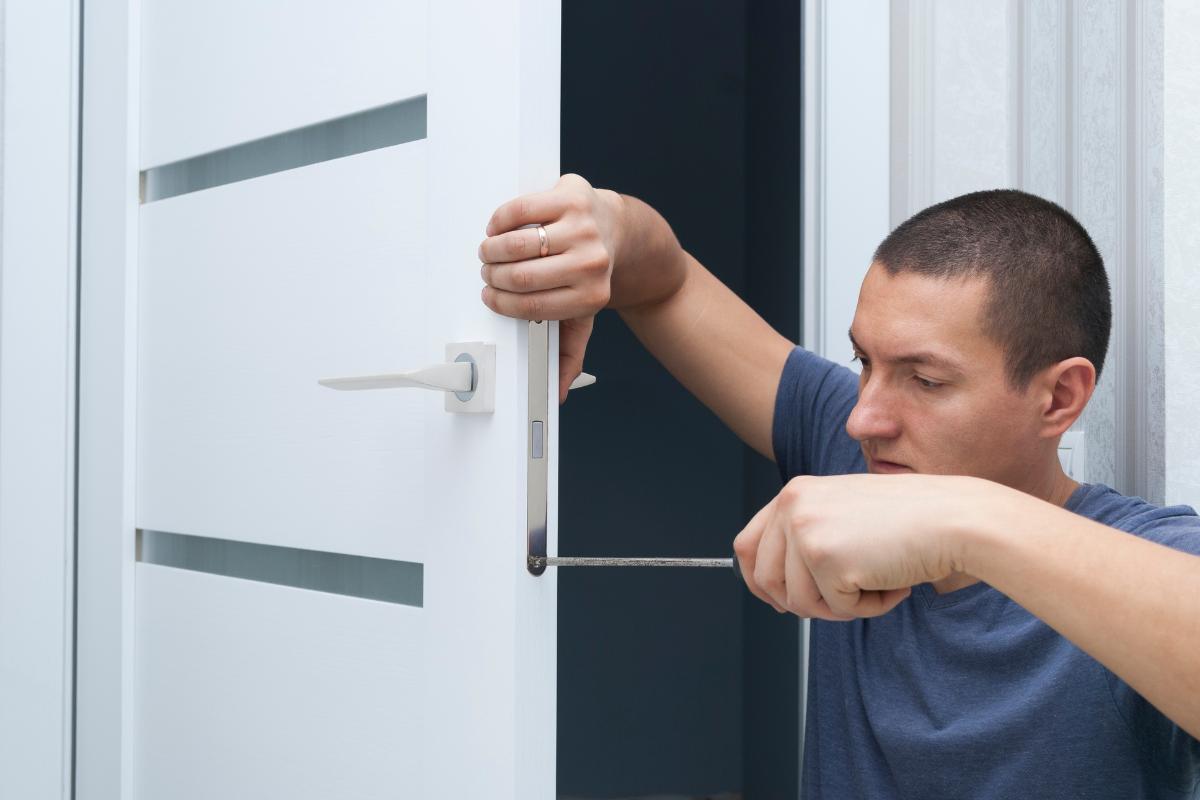
Planning installation early during the design phase helps prevent compatibility issues later, especially in high-rise residential developments and strata properties commonly found across Malaysia’s urban housing projects.
For new developments, keyless entry door locks can be included during the design stage. Developers should review door compatibility, access infrastructure, and long-term operational needs early in the project.
Standardizing the same lock system across units also helps property managers maintain the building more easily after handover.
For existing properties, installation should focus on minimizing disruption to residents and daily operations.
A proper site survey helps identify door compatibility and installation requirements before rollout begins.
Technology is only as reliable as the support behind it. You should review warranty coverage, technical support, and long-term maintenance services.
Reliable support ensures the system continues running smoothly long after installation.

Security and operations are important, but tenant experience also plays a major role in modern property management. Keyless entry door locks can make daily living noticeably easier for residents.
With smart home locks in Malaysia, tenants are less likely to lock themselves out of their homes. This reduces frustration and minimizes emergency assistance requests.
Residents can unlock their doors quickly without searching through bags or pockets for keys. Small conveniences like this can significantly improve everyday living.
Digital access allows you to issue credentials instantly when tenants move in and remove them just as easily when they leave.
Convenience should always be balanced with clear access policies. Well-defined controls ensure ease of use without compromising building security.
A smooth and modern living experience contributes to tenant satisfaction. Over time, this can improve retention and strengthen the property’s reputation.
Selecting the right system requires more than just comparing features. You should consider how the technology will support daily operations.
Here are a few common mistakes to avoid:
When a system is deployed across many units, small mistakes can become expensive. Careful planning helps avoid these issues.
Every property operates differently, so access solutions should match the building’s needs.
High-rise residences, serviced apartments, and mixed-use developments may require different access strategies.
Properties with frequent tenant turnover benefit from systems that allow quick and simple access updates.
Buildings managed by centralized teams often require stronger administrative control and monitoring tools.
When evaluating options, property teams should consider:
The best solution is the one that fits how the property is actually managed day to day.
Digital access solutions are becoming increasingly common in modern buildings.
As properties adopt more connected technologies, access systems will likely become more centralized and integrated with other building platforms.
This means greater visibility, better operational efficiency, and improved tenant services.
Planning the right access strategy today helps ensure properties remain relevant and manageable for years to come.
Keyless entry door locks offer more than convenience. They support better building operations and improve the living experience for residents.
When implemented properly, they help strengthen:
Before selecting a system, property teams should review their access workflows, define management roles, and ensure the solution aligns with long-term property operations.
Selecting the right keyless entry door lock during the planning stage helps ensure smoother building operations, stronger access oversight, and better resident experiences throughout the property lifecycle.
For developers managing multi-unit residential projects, aligning access strategy early can make long-term maintenance, tenant transitions, and security coordination significantly more efficient after project completion.
Hesitate no more, and discover how Raizo Smart Lock Malaysia makes your residential projects a worthwhile asset that your residents value most. .
WhatsApp us