What is a Smart Door Lock: The Ultimate Guide for Homes
What Is A Smart Door Lock
Door locks have changed a lot over the years. Today, they are no longer just hardware installed on a door. They are part of how a property operates daily.
So, what exactly is a smart door lock?
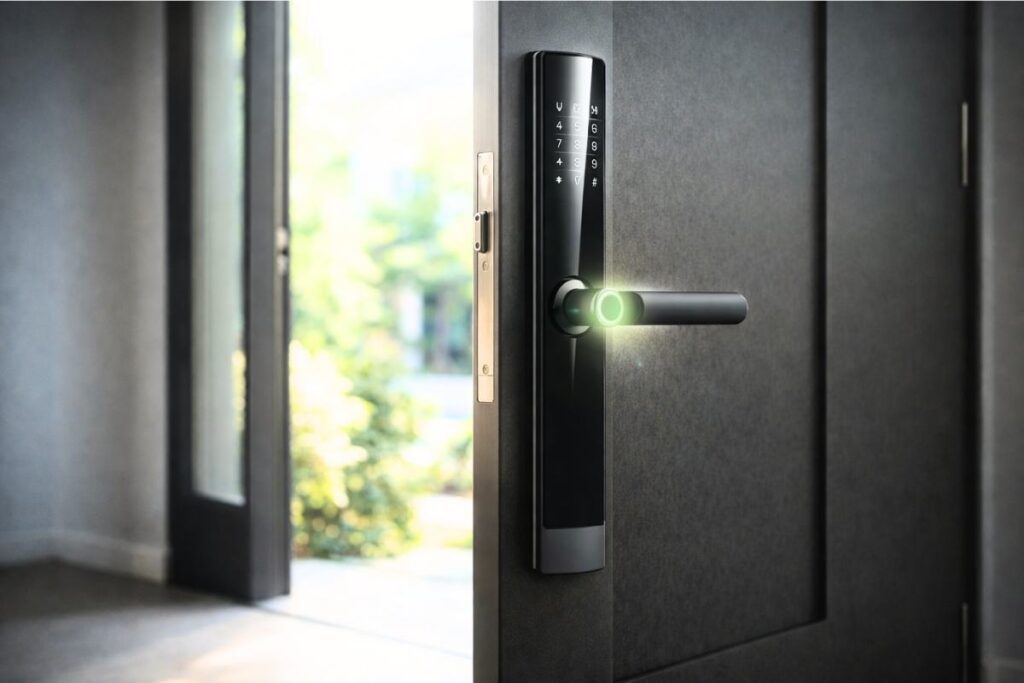
A smart door lock allows residents, tenants, staff, or guests to enter a unit using methods such as fingerprint, RFID card, PIN code, mobile access, or facial recognition. Instead of managing physical keys, access can be handled digitally and more efficiently across multiple units.
For property developers, this small change at the door often leads to smoother operations across the entire building.
How Does A Smart Door Lock Work
Smart door locks verify a user’s identity through registered access methods such as fingerprint, RFID card, PIN, Bluetooth, WiFi, or facial recognition.
Once verified, the lock releases automatically.
From a management perspective, this reduces the need for manual key handling and simplifies access control for residents, maintenance teams, and temporary visitors.
Over time, these small efficiencies add up across large developments.
What Are The Common Types Of Smart Door Locks
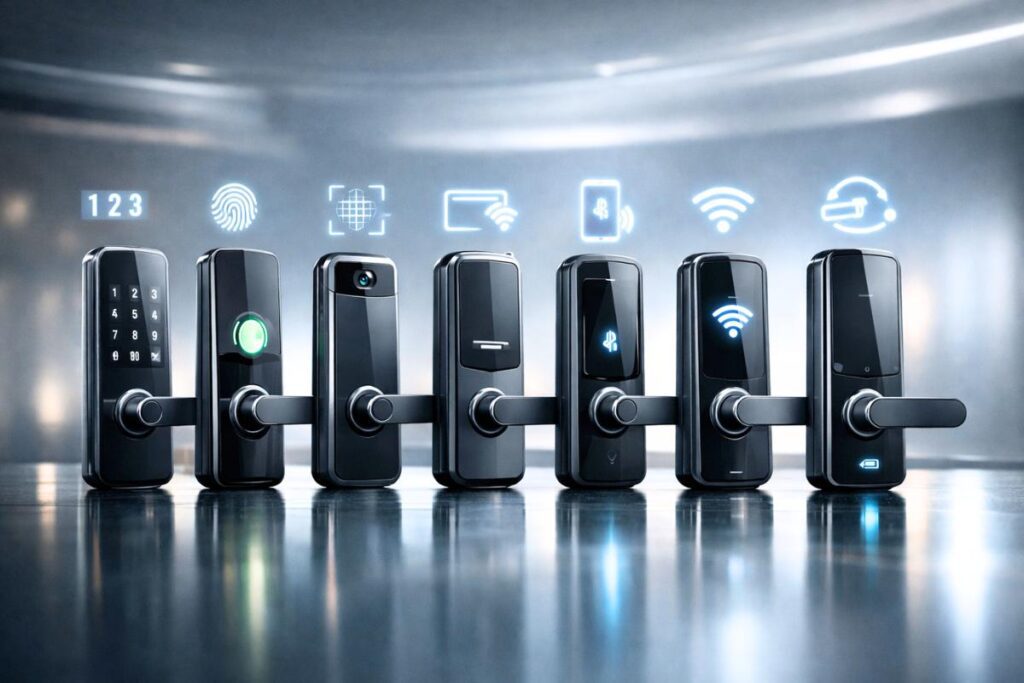
Different properties require different access setups. The most commonly used options include:
- Keypad locks: Access using PIN codes
- Biometric locks: Fingerprint or facial recognition access
- RFID locks: Card-based entry commonly used in managed residences
- Bluetooth locks: Unlock when the user approaches the door
- WiFi locks: Remote access management from anywhere
- Zigbee locks: Integrated into centralized smart home systems
Although the technology differs, the goal is the same: make access easier to manage across units without relying on physical keys.
What Unlock Methods Do Smart Door Locks Use?
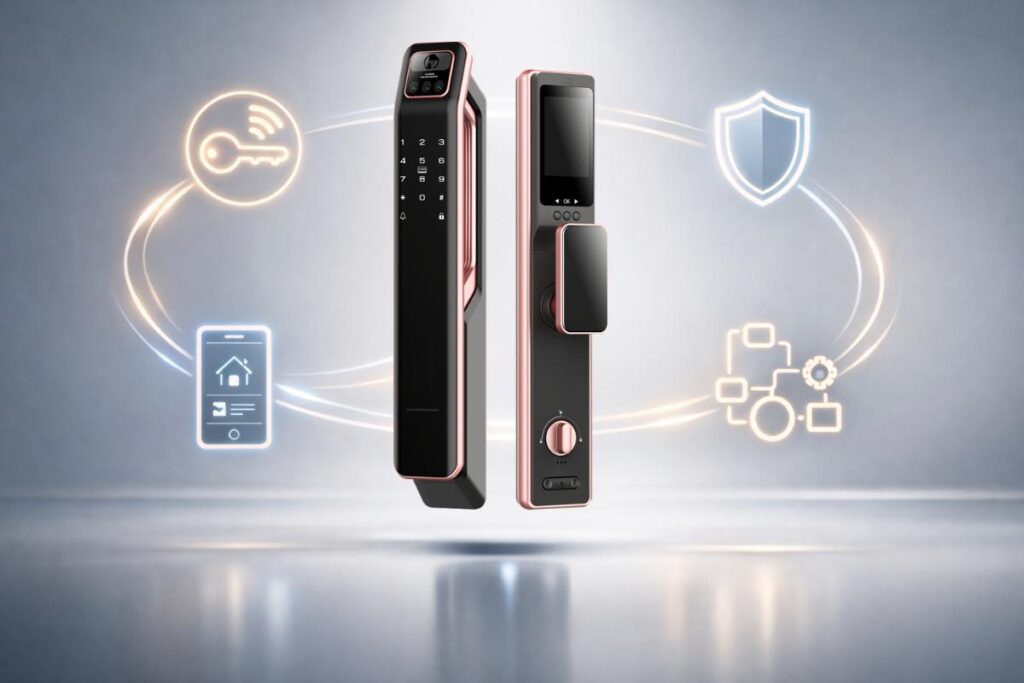
Modern smart locks typically combine several access options in one device, allowing flexibility for residents and management teams alike.
Common methods include:
- Fingerprint access for fast daily entry
- PIN codes for residents or family members
- RFID cards for structured property environments
- Mobile access for remote control and monitoring
- Facial recognition for contactless convenience
- Palm vein access in higher-security environments
This flexibility helps properties serve different resident preferences without increasing operational complexity.
Key Benefits of A Smart Door Lock For Property Developments
1. Easier Access Management
Physical keys are difficult to manage across multiple units.
Smart locks remove the need for key duplication, collection, and replacement. Temporary access can be issued digitally when needed, whether for contractors, cleaners, or short-term occupants.
For large properties, this alone saves significant coordination time.
2. Stronger Everyday Security
Residents today expect more than a traditional lock.
Digital access removes the risk of copied keys and allows activity tracking when required. At the same time, mobile notifications provide visibility if unexpected access attempts occur.
It’s not about adding complexity. It’s about reducing uncertainty.
3. Better Operational Control
Managing access across multiple units used to require manual coordination.
With smart locks, administrators can:
- register users
- adjust permissions
- review entry records
- manage temporary access
All without visiting each unit individually.
This improves response speed when handling tenant requests or maintenance needs.
4. More Efficient Multi-Unit Management
Handling keys across large developments is time-consuming and error-prone.
When integrated with a property management platform, smart locks allow access records, resident updates, and maintenance coordination to be handled more systematically.
Instead of tracking keys manually, everything stays organized in one place.
That difference becomes very noticeable as projects scale.
Are Smart Door Locks Reliable For Daily Property Use?
Reliability is one of the most common concerns property teams raise.
Modern smart locks are designed for high-traffic environments and humid climates like Malaysia. Most models operate on batteries and continue working even during power interruptions.
If batteries run low unexpectedly, emergency USB backup access allows temporary activation using a power bank.
In practice, this ensures residents are never locked out during urgent situations.
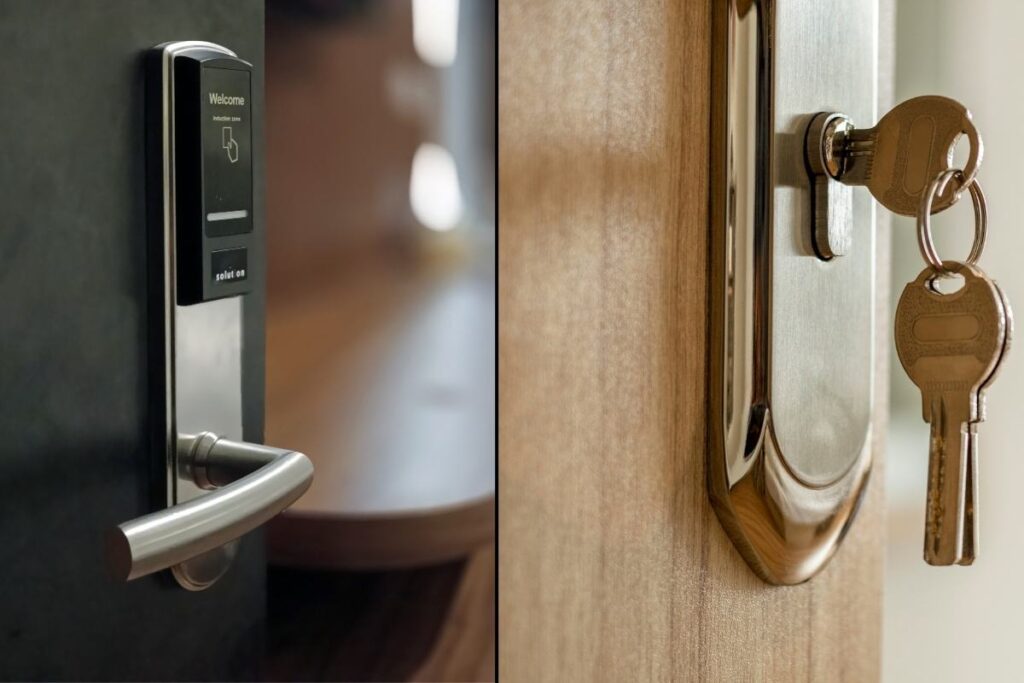
Smart Door Lock vs Traditional Door Lock: What’s the Difference?
| | Smart | Traditional |
Access Methods | Speedy access, like fingerprint, RFID, PIN, and WiFi. | Conventional physical keys. |
Convenience | High: features like auto-lock, remote access, and temporary codes. | Low; keys can be stolen and imitated. |
Security | Robust: tamper alerts, alarms, and encrypted passwords | No. |
Power | Powered by batteries, with low battery alerts. | Not needed. |
Control | Remote unlock through WiFi or Bluetooth; connect the lock to the smart home ecosystem. | No remote unlock. |
For property developers, the biggest difference is not the unlocking method. It’s the reduction in daily coordination work.
Where Are Smart Door Locks Commonly Used Today?
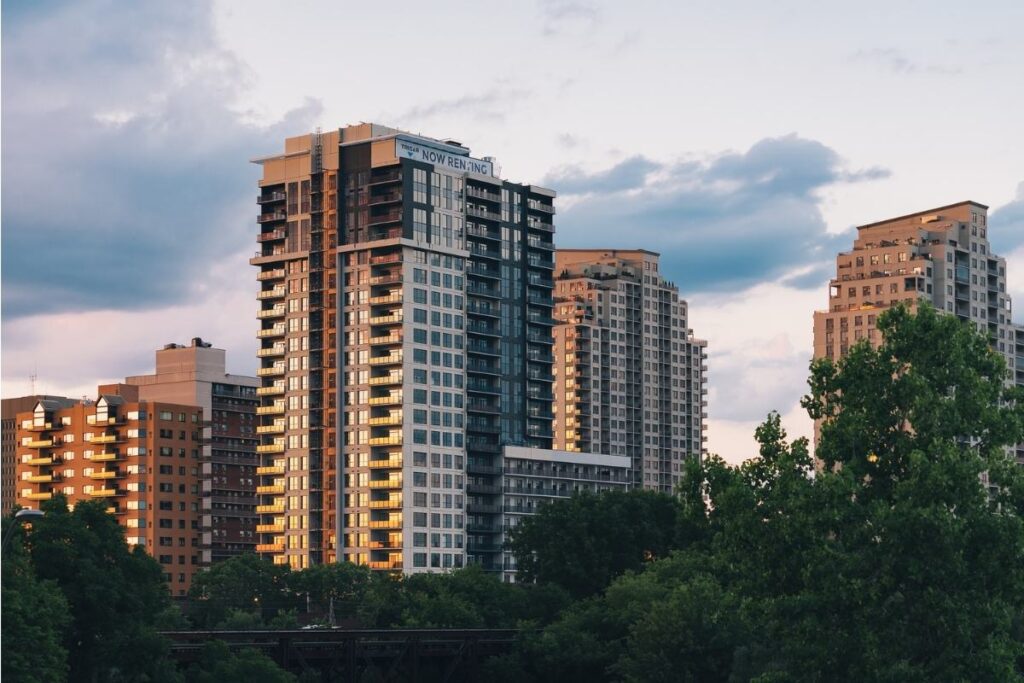
As smart home trends emerge, homeowners today are becoming more tech-conscious. As a matter of fact, they expect a premium living experience more than the roof they live under.
Numerous types of properties today have adopted smart lock solutions, helping them streamline their unit operations.
- Condominium
- Landed residential properties
- Airbnb rentals
- Hotel & resorts
- Company offices
As we’ve noticed, smart door locks are a mainstream technology that will be continuously employed in the future. Embracing them will set your property projects apart, enabling users to see it as a tech-forward entity.
Are Smart Door Locks Worth Considering for Residential Projects?
Residents today look beyond layout and location. They also pay attention to how easy a property is to live in.
Smooth access at the unit entrance may seem like a small detail, but it quietly shapes daily experience.
For property developers, smart locks support:
- better resident convenience
- simpler access coordination
- fewer key-related issues
- stronger long-term property positioning
In many projects, the improvement begins with something as simple as replacing the traditional key.
Learn more about the smart door lock Malaysia today, which enhances your modern homeowners’ living experience and comfort and simplifies property management.